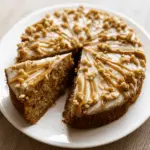
Peach custard pie has a way of disappearing faster than almost any other fruit pie on the table. The custard bakes up silky and sliceable, not stiff or eggy, and the peaches stay tender without turning into jam. When it’s done right, you get a buttery crust, a fragrant vanilla custard, and soft fruit in every bite.
The trick is treating it like a custard first and a fruit pie second. The crust gets a short blind bake so it stays crisp under the filling, and the custard gets whisked until smooth before it ever meets the peaches. That little bit of flour helps the filling set into clean slices without losing that creamy center. Fresh peaches matter here because frozen peaches bring extra liquid, which can turn the custard loose and watery.
Below, I’ll walk through the one part people usually rush — the bake — plus a few ways to adapt this pie if you want to work ahead or adjust for what’s in your kitchen.
The custard set up perfectly and the peaches stayed in neat slices instead of sinking. I chilled it overnight and it cut into clean wedges the next day.
Save this peach custard pie for the dessert nights when you want flaky crust, silky vanilla filling, and juicy peaches in every slice.
The Part That Keeps Peach Custard Pie from Turning Soupy
Custard pie fails when the filling is treated like a fruit pie filling and baked until it looks fully firm in the oven. Custard keeps cooking after it comes out, and if you wait for a hard set in the oven, you’ll overbake the eggs and lose that smooth, creamy texture. The goal is a center that still has a slight wobble when you nudge the pan, with edges that look set and pale golden.
Blind baking the crust matters here too. Without that head start, the bottom crust softens under the wet filling and never really recovers. The short bake with pie weights gives you a barrier that stays crisp enough to support the custard and the peaches.
- Peaches — Use ripe but still firm peaches. If they’re too soft, they’ll melt into the custard and release too much juice. Peel them if the skins feel tough; the texture of the pie is smoother without them.
- Heavy cream and whole milk — This combination gives the filling body without making it heavy. Cream alone can taste rich but a little dense, while milk alone makes the custard thinner and less luxurious. If you need to swap, half-and-half works better than low-fat milk.
- Eggs — They’re the structure. Three eggs are enough to set the pie without making it taste like breakfast quiche. Whisk them with the sugar before adding the dairy so the custard starts smooth.
- Flour — Just enough to stabilize the filling and help it slice cleanly. Don’t add extra, or the custard loses its silkiness and turns pasty.
Building the Custard Around the Peaches

The first thing to do is get the crust partially baked. Line it with pie weights, bake it until the edges look dry and just beginning to color, then pull it out before it takes on deep color. That short pre-bake keeps the bottom from going soggy once the custard goes in.
Arrange the peach slices evenly in the crust before you pour the filling. If they’re piled too high in one spot, the custard can bake unevenly and the slices won’t cut as neatly. Whisk the eggs, sugar, flour, and salt first, then add the cream, milk, vanilla, cinnamon, and nutmeg until the mixture looks smooth and fully blended. Pour it slowly so the peaches stay in place instead of floating.
Blind Baking the Crust
Press the crust into the pie dish and dock it lightly if your crust tends to bubble. The pie weights need to cover the bottom edge well so the sides don’t slump. When the crust comes out, it should look set and matte, not raw and wet. If the bottom still looks pale and soft, give it a few more minutes before moving on.
Whisking the Custard
Whisk the eggs, sugar, flour, and salt until the mixture looks smooth and a little thicker, then add the dairy gradually. This helps prevent flour lumps and gives you a custard that bakes evenly. If you dump everything together at once, the flour can clump and leave little bits in the finished pie. The finished mixture should look loose and pourable, like a thin cream.
Baking to the Right Jiggle
Bake until the edges are set and the center still has a small wobble when you gently shake the pan. That wobble is your signal to stop. If the whole pie sloshes, it needs more time; if the center is already firm in the oven, it will finish too tight after cooling. Let it cool on the counter before chilling it, or the custard can crack from the temperature shock.
Three Ways to Make This Pie Fit What You Have
Use Frozen Peaches When Fresh Aren’t at Their Peak
Frozen peaches work if you thaw them first and drain them well. The extra liquid is the problem, not the peach flavor, so pat them dry before layering them into the crust. The pie will still taste like peach custard pie, but the fruit layer may be a little softer.
Make It Gluten-Free with a GF Crust
Use a gluten-free pie crust and keep the flour in the custard, or swap in a 1:1 gluten-free flour blend if your blend bakes well in custards. The filling stays creamy either way, but the crust is where the gluten-free change matters most. Blind bake the crust carefully so it sets before the custard goes in.
Use Half-and-Half for a Lighter Filling
Half-and-half can replace part or all of the cream if you want a slightly lighter custard. The pie will still set, but the texture lands a little less rich and a touch more delicate. Don’t go all the way to low-fat milk, or the filling loses the creamy body that makes this pie work.
Storage and Reheating
- Refrigerator: Store covered for up to 4 days. The custard stays neat, though the crust softens a little after the first day.
- Freezer: Freezing isn’t the best choice for this pie. Custard tends to weep and the texture turns grainy after thawing.
- Reheating: Serve it cold or let it sit at room temperature for 20 to 30 minutes. Heat softens the custard too much and ruins the clean slice you worked for.
Answers to the Questions Worth Asking

Peach Custard Pie
Ingredients
Equipment
Method
- Preheat oven to 375F and press the pie crust into a 9-inch pie dish, then blind bake with pie weights for 10 minutes.
- Arrange the peach slices over the partially baked crust in an even layer.
- Whisk eggs, granulated sugar, all-purpose flour, and salt together until smooth.
- Whisk in heavy cream, whole milk, vanilla extract, cinnamon, and nutmeg until fully combined.
- Carefully pour the custard over the peaches so the slices are covered and evenly suspended.
- Bake for 45-55 minutes at 375F until the custard is set at the edges but still has a slight jiggle in the center, with caramelized golden edges visible.
- Cool completely at room temperature until the pie is no longer warm to the touch.
- Refrigerate at least 2 hours before slicing so the custard firms to a clean cut.