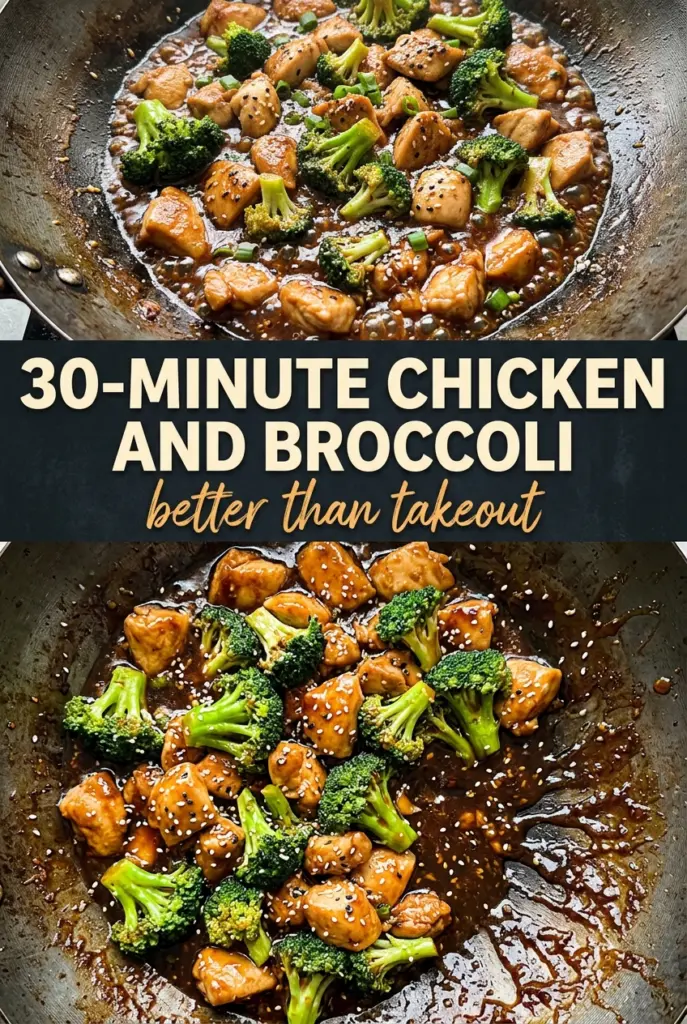
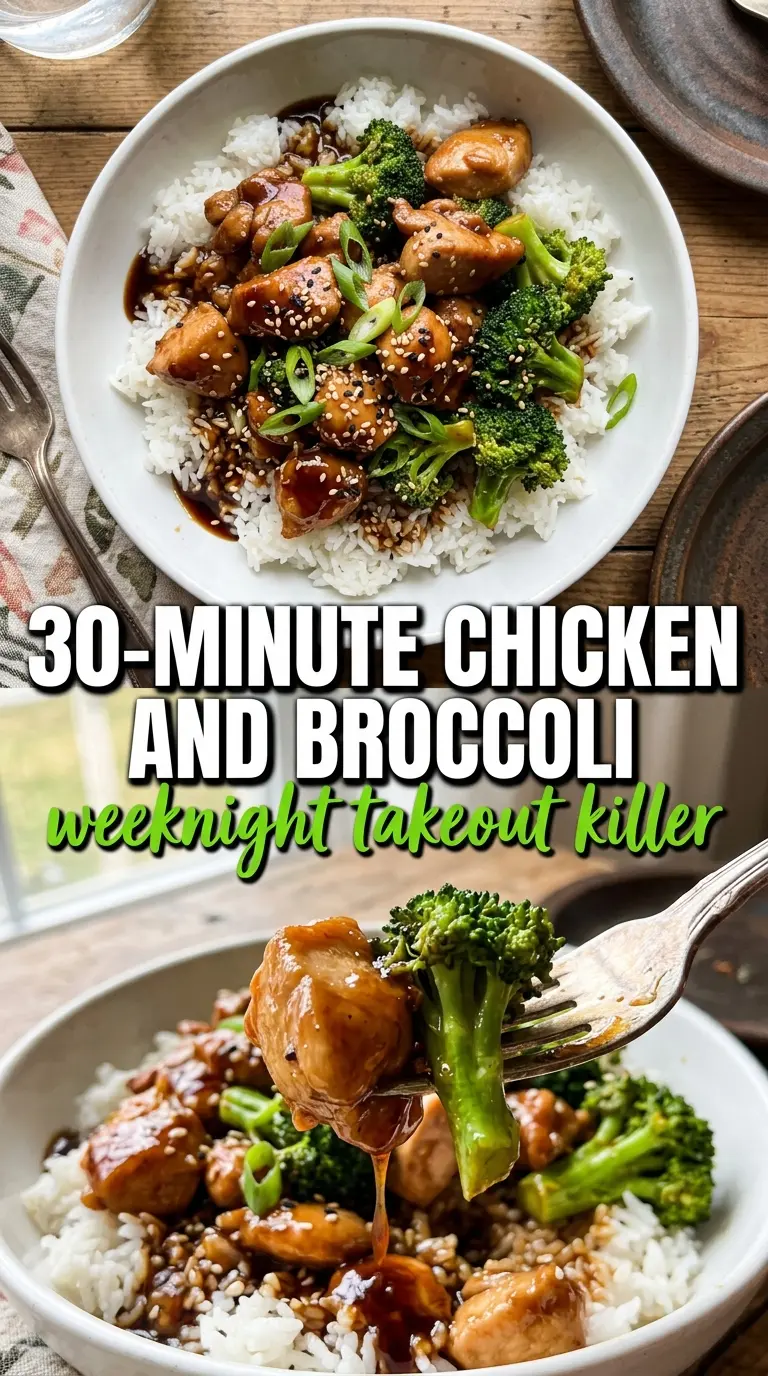
Glossy chicken and broccoli over rice hits the table fast, but the version worth making again gets the sauce right. The chicken stays tender, the broccoli keeps its bite, and everything gets coated in a dark, savory glaze that clings instead of pooling at the bottom of the pan. That balance is what turns a simple stir-fry into a dinner people ask for on repeat.
The trick is in the order. A light cornstarch coating on the chicken helps it brown and gives the sauce something to grab onto later. The broccoli gets a head start before the garlic and ginger go in, so the vegetables stay bright green instead of turning soft and dull. The sauce itself uses soy sauce, oyster sauce, hoisin, and a little brown sugar for depth without making the dish taste sweet.
Below, you’ll find the pan timing that keeps the chicken juicy, the sauce texture you’re aiming for, and a few swaps that still keep the dish moving fast on a weeknight.
The sauce thickened up in under two minutes and coated every piece of chicken and broccoli instead of turning watery. I served it over jasmine rice and my husband went back for seconds before I even sat down.
Save this 30-minute chicken and broccoli for a fast stir-fry with a glossy soy-garlic sauce and crisp-tender broccoli.
The Secret to Keeping the Broccoli Crisp While the Sauce Thickens
The biggest failure in chicken and broccoli is treating the vegetables like they need the same cooking time as the meat. They don’t. Chicken needs enough time to lose its raw look and pick up color; broccoli needs just enough heat to turn bright and tender at the stems while still staying snappy at the florets. If you cook the broccoli until it looks fully done in the pan, it’ll be tired by the time the sauce finishes.
The other place this dish goes sideways is the sauce. Cornstarch thickens fast, but only after it’s heated through. If you dump the sauce in and then let it sit, it can turn lumpy around the edges before it glazes evenly. Keep everything moving once the sauce hits the pan, and you’ll get that smooth, dark coating that makes takeout-style chicken and broccoli work.
- Cornstarch on the chicken — This gives the meat a light velvety coating and helps the sauce cling later. A plain flour dredge won’t behave the same way in a stir-fry because it gets heavier and doesn’t dissolve into the sauce as cleanly.
- Broccoli florets — Use florets cut into even pieces so they cook at the same pace. If the stems are thick, peel and slice them; otherwise the tops will soften before the stems do.
- Oyster sauce and hoisin — These do the heavy lifting for depth. Soy sauce brings salt, but the oyster sauce adds body and the hoisin gives that round, slightly sticky finish you want in the glaze.
- Chicken broth — This loosens the sauce just enough to pour and toss properly. Water works in a pinch, but the finished sauce tastes flatter and needs more seasoning to feel complete.
What Each Ingredient Is Actually Doing in This Chicken
- Chicken (the protein star) — Pat dry so it browns instead of steams. Room temperature cooks more evenly.
- Oil or butter (the browning medium) — High-heat oil is essential. Creates flavor through browning.
- Seasonings (salt, pepper, spices, herbs) — Don’t hold back. Chicken carries the entire flavor profile.
- Aromatics (garlic, ginger, onion) — Cook with fat to bloom flavors. They become the foundation.
- Sauce or liquid (the moisture keeper) — This prevents dryness and adds flavor. Balance richness with acid.
- Acid (lemon, vinegar, wine, or tomato) — This brightens and prevents one-dimensional flavor.
- Optional vegetables — Layer by cooking time so everything finishes together.
- Proper doneness (165°F internal temperature) — Use a thermometer for accuracy. Overcooked is dry.
Building the Pan in the Right Order
Coating the Chicken
Toss the chicken with salt, pepper, and cornstarch until every piece looks lightly dusted. That coating should be thin, not pasty. If the chicken is wet when it goes into the pan, it steams instead of browns, so let the pieces sit for a minute after tossing if they look too damp.
Browning Before Anything Else
Heat the oil until it shimmers, then add the chicken in a single layer. You want a little sizzle the second it hits the pan. Let it cook undisturbed long enough to take on color before stirring, because constant movement keeps you from getting those golden edges that make the finished dish taste richer.
Keeping the Broccoli Bright
Stir-fry the broccoli only until it turns vivid green and the stems start to soften at the edges. It should still have resistance when you bite into it. If the pan looks dry before the broccoli is tender-crisp, add a splash of broth rather than lowering the heat too far, which can leave you with limp vegetables.
Finishing the Sauce
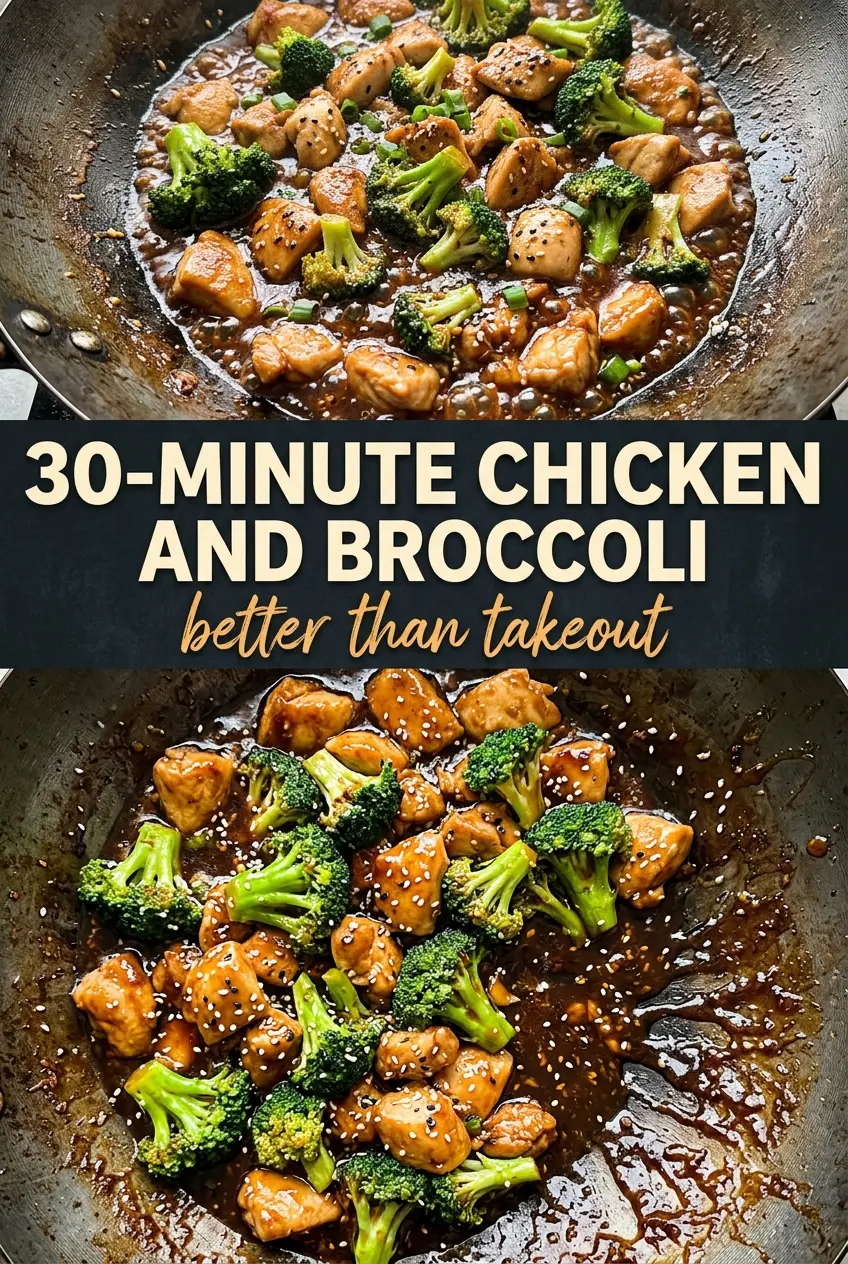
Add the garlic and ginger for just 30 seconds, then pour in the sauce and keep the pan moving. The sauce should go from thin and glossy to slightly thickened and coat the back of a spoon. Once the chicken goes back in, toss until every piece is lacquered and the sauce clings in a shiny layer instead of separating at the bottom.
What to Change When You Need a Different Version of Dinner
Gluten-Free Without Losing the Sticky Sauce
Use tamari or a certified gluten-free soy sauce, then check that your oyster sauce and hoisin are labeled gluten-free too. The texture stays the same because cornstarch still does the thickening work, and the sauce keeps that glossy finish.
Make It with Chicken Thighs
Boneless skinless thighs give you a juicier, richer result and are more forgiving if the pan runs hot. Cut them the same size as the breasts and cook just until done; they don’t need much longer, but they do like a hard sear.
Vegetarian Version That Still Eats Like Dinner
Swap the chicken for extra-firm tofu or seared mushrooms and use vegetable broth instead of chicken broth. Press tofu first so it browns instead of crumbling, and don’t skip the cornstarch dusting — that’s what gives you a crisp edge and helps the sauce stick.
Storage and Reheating
- Refrigerator: Store leftovers for up to 4 days. The broccoli softens a little, but the sauce stays flavorful.
- Freezer: It freezes well for about 2 months, though the broccoli will be softer after thawing. Cool it completely before packing into airtight containers.
- Reheating: Reheat in a skillet over medium-low heat with a splash of broth or water. The common mistake is blasting it in the microwave until the sauce tightens too much and the chicken dries out.
Answers to the Questions Worth Asking
30-Minute Chicken and Broccoli
Ingredients
Equipment
Method
- Toss the chicken with salt, pepper, and cornstarch until evenly coated.
- Heat 1 tablespoon vegetable oil in a large wok or skillet over high heat; cook the chicken for 5-6 minutes until golden and cooked through, then remove to a plate.
- Add the remaining vegetable oil; stir-fry the broccoli for 3-4 minutes until bright green and just tender-crisp.
- Stir-fry the garlic and ginger for 30 seconds, then pour in the whisked sauce and cook for 1-2 minutes until thickened.
- Return the chicken to the pan and toss to coat completely in the glossy soy-garlic sauce.
- Serve immediately over rice with sesame seeds and green onions scattered on top.