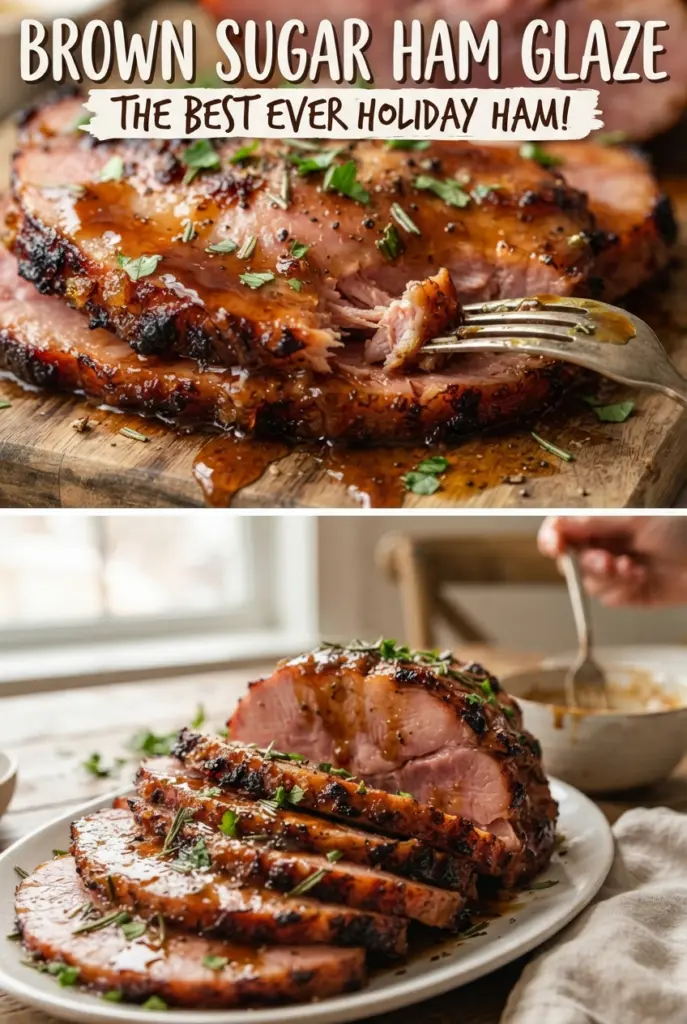
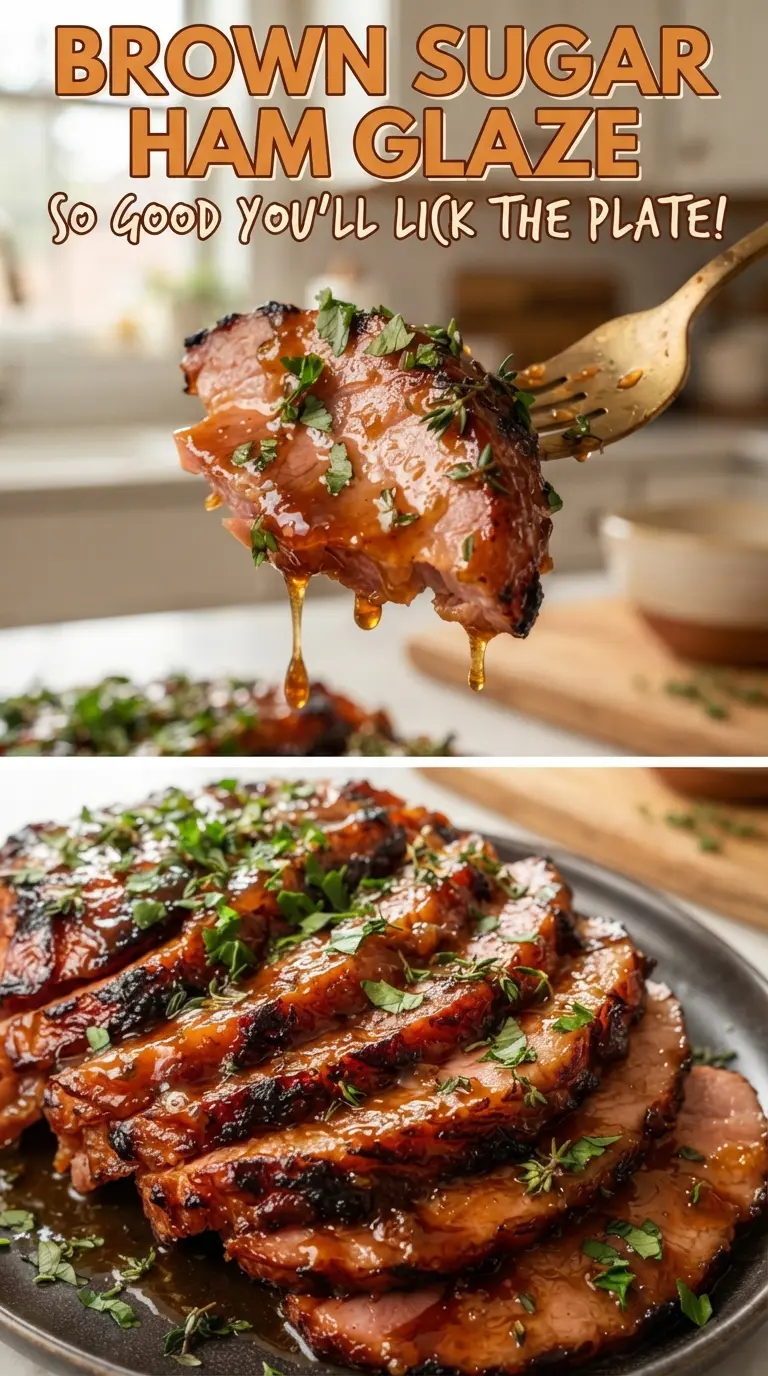
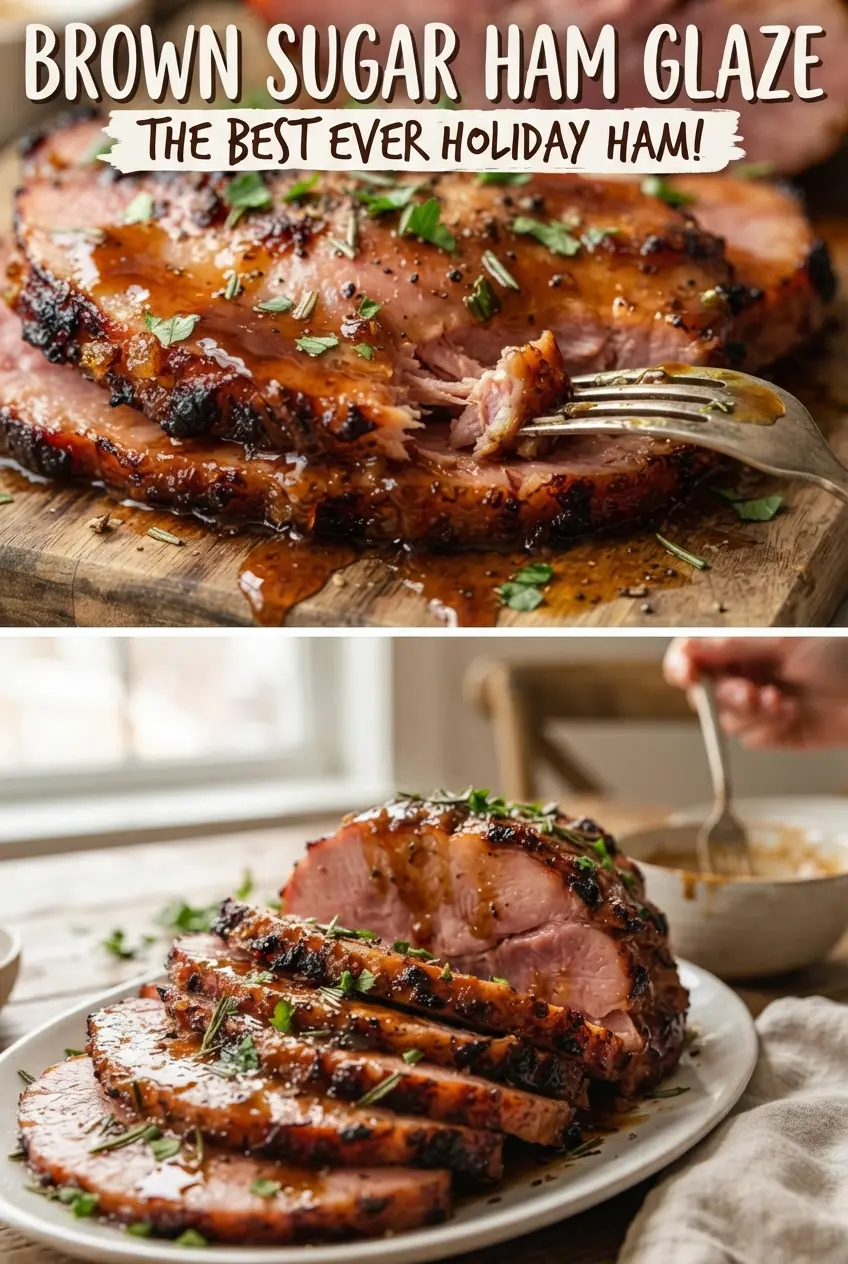
Glossy, sweet, and a little sharp at the edges, this brown sugar ham glaze turns a good ham into the kind people keep circling back to for one more slice. It brushes on like syrup, clings to the scored top, and bakes into a lacquered finish with sticky caramelized edges that catch in all the right places.
The balance matters here. Brown sugar and honey bring the sweetness, but Dijon, apple cider vinegar, and a hit of cloves keep the glaze from tasting flat. Pineapple or orange juice gives it just enough fruit brightness to cut through the richness of the ham, and the butter rounds everything out so the glaze settles into a smooth, shiny layer instead of a grainy one.
Below, I’ll show you how to keep the glaze glossy instead of burnt, which juice works best, and what to do if you want to make it a little more savory or a little more citrusy.
The glaze thickened up in just a few minutes and brushed on beautifully without running off the ham. The sweet-tart flavor was spot on, and the edges caramelized instead of burning.
Love the shine and caramelized edges on this brown sugar ham glaze? Save it to Pinterest for your next holiday ham or Sunday dinner.
The Reason This Glaze Stays Glossy Instead of Turning Grainy
The difference between a glaze that clings and one that slides off starts with how the sugar dissolves. If you rush the saucepan or let it boil hard before the brown sugar has fully melted, the texture can turn gritty and the finish won’t stay smooth on the ham. A gentle simmer is enough here. You want the mixture hot enough to thicken and glossy enough to coat a spoon, not reduced into a hard candy stage.
Dijon mustard does more than add tang. It helps the sweetness taste less one-note and gives the glaze a little backbone so it can stand up to a salty ham. The butter matters too, because it softens the edges and keeps the glaze flowing long enough to brush on evenly. If the glaze starts looking too thick before the ham is done, pull it off the heat and stir in a spoonful of juice to loosen it back up.
What Each Ingredient Is Actually Doing in the Pan
- Packed brown sugar — This is the base of the glaze and what gives it that deep caramel note. Light brown sugar works fine, but dark brown sugar gives you a little more molasses depth and a darker finish.
- Honey — Honey helps the glaze set with a sticky sheen that brushes on smoothly. If you swap in maple syrup, the flavor goes earthier and less classic, but it still works well.
- Pineapple or orange juice — The acid and fruit flavor keep the glaze from tasting heavy. Pineapple brings a brighter, tangier edge; orange is softer and a little more rounded.
- Dijon mustard — This is the ingredient that keeps the glaze from reading like straight sugar. Use a smooth Dijon, not grainy mustard, so the glaze stays silky.
- Butter — Butter adds body and helps the glaze brush evenly instead of beading up. Use real butter here; margarine won’t give the same gloss or flavor.
- Apple cider vinegar — A small splash sharpens the sweetness and helps the glaze taste balanced. Don’t skip it unless you’ve already used a very tart juice.
- Cinnamon and cloves — These warm spices make the glaze taste like it belongs on ham, not just on dessert. Go light on the cloves; too much takes over fast.
How to Build the Glaze So It Clings to the Ham
Start with a fully dissolved base
Combine everything in a saucepan and heat it over medium, stirring often until the sugar disappears into the liquid. The mixture should look smooth before it starts to thicken. If you still see gritty sugar at the bottom, keep stirring over the heat a little longer; that graininess will show up on the ham later.
Simmer until it turns spoon-coating
Once the glaze starts bubbling, lower it into a steady simmer for 3 to 4 minutes. You’re looking for a texture that lightly coats the back of a spoon and drips in slow ribbons, not a thick paste. If it reduces too far, add a tablespoon of juice to loosen it, because an overcooked glaze can turn sticky in the pan but stubborn on the ham.
Brush in layers during the last 30 minutes
Brush the glaze over the ham every 10 minutes during the final half hour of baking. Those repeated coats build the glossy finish and let the sugars caramelize gradually instead of scorching all at once. If your oven runs hot, tent the ham loosely with foil between applications so the edges don’t darken too quickly.
Serve the leftover glaze warm
Spoon the remaining glaze over sliced ham at the table while it’s still warm. It should pour easily, not clump, which is why keeping a little extra heat on it matters. If it thickens while sitting, set the pan back over low heat for a minute and stir until it loosens again.
Three Useful Ways to Adjust This Glaze for the Ham You’re Serving
Use orange juice for a softer citrus finish
Orange juice makes the glaze a little rounder and less sharp than pineapple. It works especially well if you want the ham to taste sweet and balanced rather than tangy.
Make it a little more savory
Add another teaspoon of Dijon and cut the brown sugar back by 2 tablespoons if you want the glaze to lean less sweet. That version still caramelizes beautifully, but it tastes cleaner against a heavily cured ham.
Make it gluten-free without changing the texture
This glaze is naturally gluten-free as written as long as your Dijon and spices are certified gluten-free. There’s no flour or starch needed, and that keeps the finish smooth and glossy.
Scale it up for a larger ham
Double everything if you’re glazing a large bone-in ham or want extra for serving at the table. The glaze keeps the same ratio, but let it simmer an extra minute or two so the larger batch still coats a spoon.
Storage and Reheating
- Refrigerator: Store leftover glaze in an airtight container for up to 5 days. It will firm up as it chills.
- Freezer: It freezes well for up to 2 months. Thaw it overnight in the refrigerator before reheating.
- Reheating: Warm it gently on the stovetop over low heat or in short microwave bursts, stirring often. High heat can make the sugar seize or scorch before it loosens.
Answers to the Questions Worth Asking
Brown Sugar Ham Glaze
Ingredients
Equipment
Method
- Add the brown sugar, honey, pineapple or orange juice, Dijon mustard, butter, apple cider vinegar, cinnamon, and cloves to a saucepan and stir to combine.
- Heat the saucepan over medium heat until the mixture reaches a gentle simmer, stirring until the sugar fully dissolves.
- Simmer for 3-4 minutes until slightly thickened and glossy, then remove from heat while warm.
- Brush the warm glaze over a fully cooked ham during the last 30 minutes of baking, every 10 minutes, covering the scored diamond pattern.
- At the table, spoon any remaining warm glaze over the sliced ham so it clings to the surface.