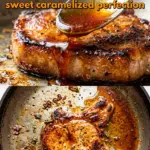
Thin pork chops are one of the fastest dinners you can put on the table, but they also punish hesitation. A minute too long in the pan and they go from juicy to dry fast. This version keeps the chops tender by searing them just long enough to pick up color, then finishing them in a buttery pan sauce that clings to every bite with garlic, Dijon, thyme, and a little lemon at the end.
The trick is using the same skillet for everything. Those browned bits left behind after the pork cooks are the backbone of the sauce, and broth loosens them into something savory instead of flat. Dijon gives the sauce body and a little sharpness, while the butter rounds it out without turning it heavy.
Below you’ll find the exact timing that keeps thin chops from overcooking, plus a few smart swaps if you’re working with what you already have on hand. This is the kind of pan dinner that tastes like you paid more attention than you actually had to.
The chops stayed juicy and the pan sauce thickened just enough to coat the pork without turning greasy. My husband kept saying the Dijon and lemon made it taste like a restaurant dinner.
Save these boneless thin pork chops for the nights when you need a 15-minute skillet dinner with a silky garlic-Dijon pan sauce.
The Reason Thin Pork Chops Stay Juicy in a Pan Sauce Dinner
Thin pork chops don’t need a long cook, and that’s where most people get into trouble. They get a good sear, then stay in the skillet too long while the sauce simmers, which leaves them dry by the time dinner hits the plate. The fix is to treat the chops and the sauce as two separate jobs: sear the pork first, then build the sauce, then return the chops only long enough to coat and warm through.
The other thing that matters here is heat management. Medium-high heat gives you color without shredding the meat, but once the garlic goes in, the pan needs to calm down. If the garlic browns hard, the sauce turns bitter fast, and if the broth boils too aggressively after the Dijon goes in, the mustard can lose its smooth texture. Keep the simmer gentle and you get a glossy sauce that tastes cooked, not rushed.
- Thin boneless pork chops — The 1/2-inch thickness is the whole point. They cook fast, but they also dry out fast, so there isn’t much wiggle room. If yours are slightly thinner, shave a minute off the first side and check early.
- Dijon mustard — This does more than add tang. It helps emulsify the pan sauce so the butter and broth come together instead of separating into oily puddles. Regular yellow mustard won’t give the same depth or texture.
- Chicken broth — Use a broth with enough salt and body to taste good on its own, because it becomes the base of the sauce. Water works in a pinch, but the sauce will taste thinner and you’ll miss the savory backbone.
- Fresh lemon juice — Add it at the end, not while the sauce reduces. That bright finish keeps the pork tasting rich instead of heavy and wakes up the herbs.
What Each Ingredient Is Actually Doing in This Recipe

- Primary ingredient (the star) — Quality matters most. Choose the best you can find.
- Cooking medium (oil, butter, or broth) — This carries flavors and prevents dryness.
- Seasonings (salt, pepper, spices, herbs) — Layer flavors so nothing overpowers. Build depth gradually.
- Aromatics (garlic, onion, herbs) — Cook with fat to bloom flavors. Become the foundation.
- Supporting ingredients — Complement the main ingredient without overpowering it.
- Sauce or liquid (if applicable) — Brings flavors together. Balance richness with acid.
- Acid (lemon, vinegar, wine, or other) — Brightens and prevents flat-tasting results.
- Final finish (garnish, glaze, or sauce) — Prevents one-dimensional taste and adds visual appeal.
Building the Pan Sauce Before the Pork Overcooks
Seasoning and Searing the Chops
Pat the pork chops dry, then season both sides with salt, pepper, and garlic powder. Dry surfaces brown better, and that browning is what gives the sauce its depth later. Heat the oil until it shimmers, then lay the chops in the pan and leave them alone for 2 to 3 minutes per side. If the chops stick hard when you try to turn them, give them another 20 to 30 seconds; once the crust forms, they release more easily.
Using the Brown Bits as the Base
Move the pork to a plate, then lower the heat just enough so the butter melts without scorching. Add the garlic and stir for about 30 seconds until fragrant, not browned. Pour in the broth and scrape the bottom of the skillet with a wooden spoon so every browned bit dissolves into the liquid. If the pan was too hot and the garlic darkened, start over if you can; burnt garlic will overpower the whole sauce.
Reducing the Sauce to a Glossy Finish
Stir in the Dijon and thyme, then let the sauce simmer for about 2 minutes until it looks slightly reduced and lightly coats the spoon. Return the pork chops and turn them in the sauce for just a minute so they pick up flavor without going past tender. Finish with lemon juice and parsley off the heat. The sauce should look silky and cling to the meat, not puddle like broth at the bottom of the skillet.
Three Ways to Adjust These Thin Pork Chops Without Losing the Point
Dairy-Free Version
Use all olive oil instead of butter, then finish the sauce with a small extra drizzle of oil for sheen. You lose a little richness, but the garlic, mustard, and lemon still give you a clean, bright skillet sauce.
No Dijon on Hand
Use whole-grain mustard or a small amount of prepared mustard, but expect a slightly sharper, less silky sauce. Whole-grain mustard keeps more texture, while yellow mustard tastes brighter and a little less refined.
Gluten-Free Dinner
This recipe is naturally gluten-free as written if your broth is certified gluten-free. That makes the ingredient check simple, and the sauce still thickens and coats the pork without any flour or cornstarch.
Make It with Chicken Broth and Extra Herbs
If you want the sauce to taste a little lighter, add an extra pinch of thyme or a little parsley with the broth. The herbs keep the sauce from feeling one-note, especially if your pork chops are on the lean side.
Storage and Reheating
- Refrigerator: Store leftovers in an airtight container for up to 3 days. The pork stays good, but the sauce will thicken as it chills.
- Freezer: You can freeze it, but the sauce is best fresh. If you do freeze it, cool completely first and freeze in a tightly sealed container for up to 2 months. The texture softens a bit after thawing.
- Reheating: Rewarm gently in a skillet over low heat with a splash of broth. High heat dries the thin chops out fast and can make the sauce split, so keep the reheating slow and short.
Questions I Get Asked About This Recipe

Easy Boneless Thin Pork Chops in Savory Pan Sauce
Ingredients
Equipment
Method
- Season the boneless thin pork chops with salt, pepper, and garlic powder.
- Heat the olive oil in a skillet over medium-high heat and cook the pork chops 2–3 minutes per side until golden, then remove them to a plate.
- Melt the butter in the same pan, then sauté the garlic for 30 seconds until fragrant.
- Pour in the chicken broth, then stir in the Dijon mustard and fresh thyme and simmer for 2 minutes until slightly reduced.
- Return the pork chops to the pan and turn to coat, cooking for 1 minute.
- Finish with fresh lemon juice, garnish with fresh parsley, and serve immediately.