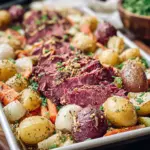
Pork tenderloin medallions earn their place in the regular dinner rotation because they cook fast, brown beautifully, and still feel like something worth sitting down for. The best version gives you a deep golden crust on the outside and a blush-pink center that stays juicy under a glossy pan sauce. That’s the difference between a quick pork dinner and one that gets remembered.
The trick is treating the medallions like a steak, not a stew ingredient. Dry pork sears cleaner, so patting it well before it hits the pan matters more than a long ingredient list ever will. The sauce also builds from the browned bits left behind, which means you get real flavor in a few minutes without adding extra work.
Below, I’m walking through the sear, the pan sauce, and the small timing details that keep the pork tender instead of dry. There’s also a simple storage note and a few variations for when you want to change the herbs or make the dish fit what’s already in your kitchen.
The medallions browned up fast and the pan sauce thickened just enough to coat the pork without turning heavy. I followed the timing exactly and the centers stayed juicy.
Save these pork tenderloin medallions for the nights when you want a fast sear and a lemon-Dijon pan sauce that tastes like more effort than it took.
The Sear Is Doing More Work Than the Sauce
The biggest mistake with pork medallions is moving them too soon. When the pork lands in a properly hot skillet, it should sizzle immediately and stay put until a crust forms. If you try to flip early, the surface tears and the meat loses the kind of browning that gives both flavor and texture.
This recipe works because the pan stays hot enough to create color before the centers overcook. That short sear locks in a juicy middle, then the medallions come out while the sauce is built. If you leave the pork in the pan while you make the sauce, the garlic can scorch and the meat can dry out before the sauce is even finished.
- Dry pork tenderloin — Surface moisture is the enemy of browning. Patting the medallions dry is what gets you that golden crust instead of gray, steamed pork.
- High heat at the start — You need enough heat to sear fast without overcooking the center. Medium heat won’t give you the same crust in the short window this cut needs.
- Finishing in the sauce — The pork goes back in only at the end, just long enough to coat and warm through. That keeps the meat tender and prevents the sauce from turning muddy.
What Each Ingredient Is Actually Doing in the Pan

- Pork tenderloin — This cut stays tender if you cook it quickly and stop at blush-pink. Pork loin won’t behave the same way; it’s leaner in a way that reads drier, so the tenderloin is the better choice here.
- Olive oil — Oil handles the high heat needed for the sear. Butter would brown too fast and can burn before the pork finishes searing.
- Butter — Butter is for the sauce, not the initial sear. It gives the pan sauce body and a rounder finish once the heat drops.
- Chicken broth — Broth loosens the browned bits into the sauce and gives you the liquid needed for reduction. Homemade or boxed both work here as long as it tastes clean and not overly salty.
- Dijon mustard and lemon juice — Dijon sharpens the sauce and helps it emulsify, while lemon brightens the richness from the butter. Skip one and the sauce still works, but it loses the clean finish that keeps the pork from tasting heavy.
- Rosemary and garlic — Garlic brings the savory base, and rosemary adds a piney note that stands up to pork. Mince the garlic fine so it perfumes the sauce instead of staying raw and sharp.
Building the Sauce Before the Pork Overcooks
Getting a Clean, Fast Sear
Heat the oil until it shimmers, then add the medallions in a single layer without crowding the pan. If the skillet is packed, the pork steams and you lose the crust you’re after. Let each side go 2 to 3 minutes, untouched, until the color is deep gold and the meat releases easily from the pan.
Making the Pan Sauce in the Same Skillet
Pull the pork out first, then lower the heat before the butter goes in. Garlic only needs about 30 seconds; once it smells fragrant, add the broth and rosemary and scrape the bottom well so those browned bits dissolve into the liquid. That’s where the real flavor lives, and if you skip the scraping, the sauce tastes flat.
Finishing for Shine, Not Overcooking
Stir in the Dijon and lemon juice off the heat or over very low heat, then return the pork just long enough to coat. The sauce should look glossy and lightly reduced, not thick like gravy. If it gets too tight, a splash of broth loosens it right back up without dulling the flavor.
How to Adapt These Pork Medallions Without Losing the Good Part
Dairy-Free Version
Swap the butter for another tablespoon of olive oil or a dairy-free butter alternative. You’ll lose a little richness, but the Dijon and lemon keep the sauce bright enough that it still feels finished.
No Fresh Rosemary
Use half as much dried rosemary, crushed between your fingers before it goes in. Dried rosemary is stronger and woodier, so too much can take over the sauce fast.
Make It Gluten-Free
This recipe is naturally gluten-free as written if your broth is certified gluten-free. That’s worth checking, because some boxed broths sneak in wheat-based additives and can trip up an otherwise simple pan sauce.
Swapping in Thyme or Sage
Thyme gives you a softer, more classic herb note, while sage makes the sauce taste deeper and a little more autumnal. Both work, but use a light hand so the herbs support the pork instead of covering it.
Storage and Reheating
- Refrigerator: Store leftovers in an airtight container for up to 3 days. The pork stays tasty, but the sauce thickens as it chills.
- Freezer: You can freeze it, but the sauce may separate a little after thawing. Freeze the pork and sauce together for up to 2 months, then rewarm gently.
- Reheating: Warm slowly in a skillet over low heat with a splash of broth. High heat dries out pork tenderloin fast, and that’s the quickest way to lose the texture you worked for.
Questions I Get Asked About This Recipe

Pork Tenderloin Medallions
Ingredients
Equipment
Method
- Pat the pork medallions dry and season generously with salt and pepper.
- Heat olive oil in a skillet over high heat; sear medallions 2–3 minutes per side without moving until deeply golden (work in batches if needed).
- Remove medallions to a plate, reduce heat to medium, and melt the butter in the skillet.
- Sauté the garlic for 30 seconds, then add the chicken broth and rosemary and scrape up browned bits from the pan.
- Simmer the sauce for 2 minutes, then stir in the Dijon mustard and lemon juice until glossy and slightly reduced.
- Return the medallions to the pan and toss to coat in the sauce.
- Garnish with fresh parsley before serving.