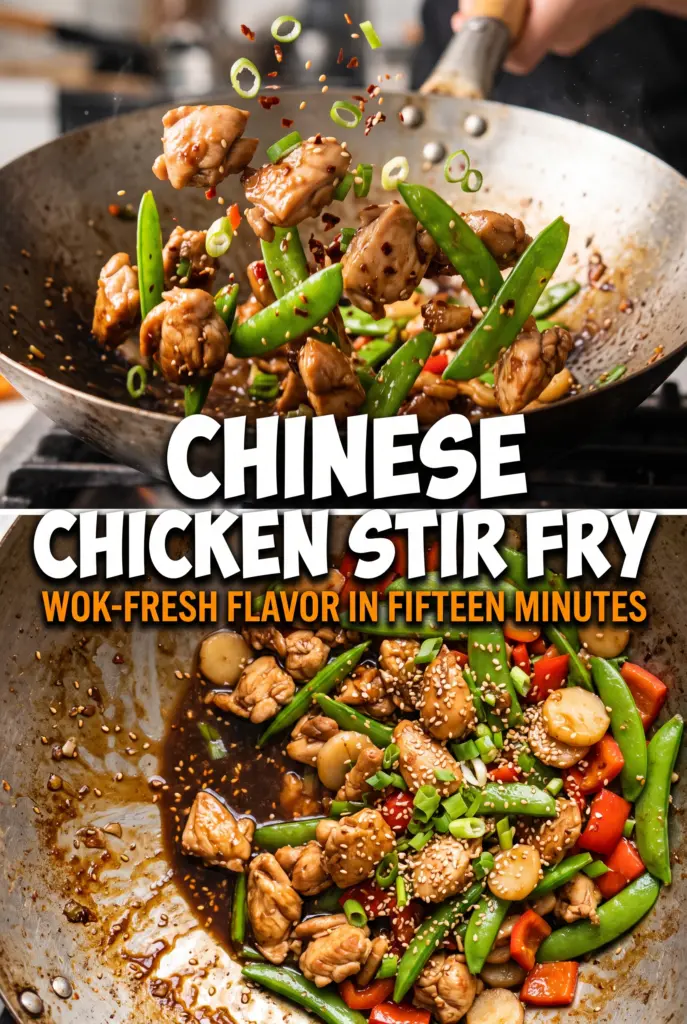
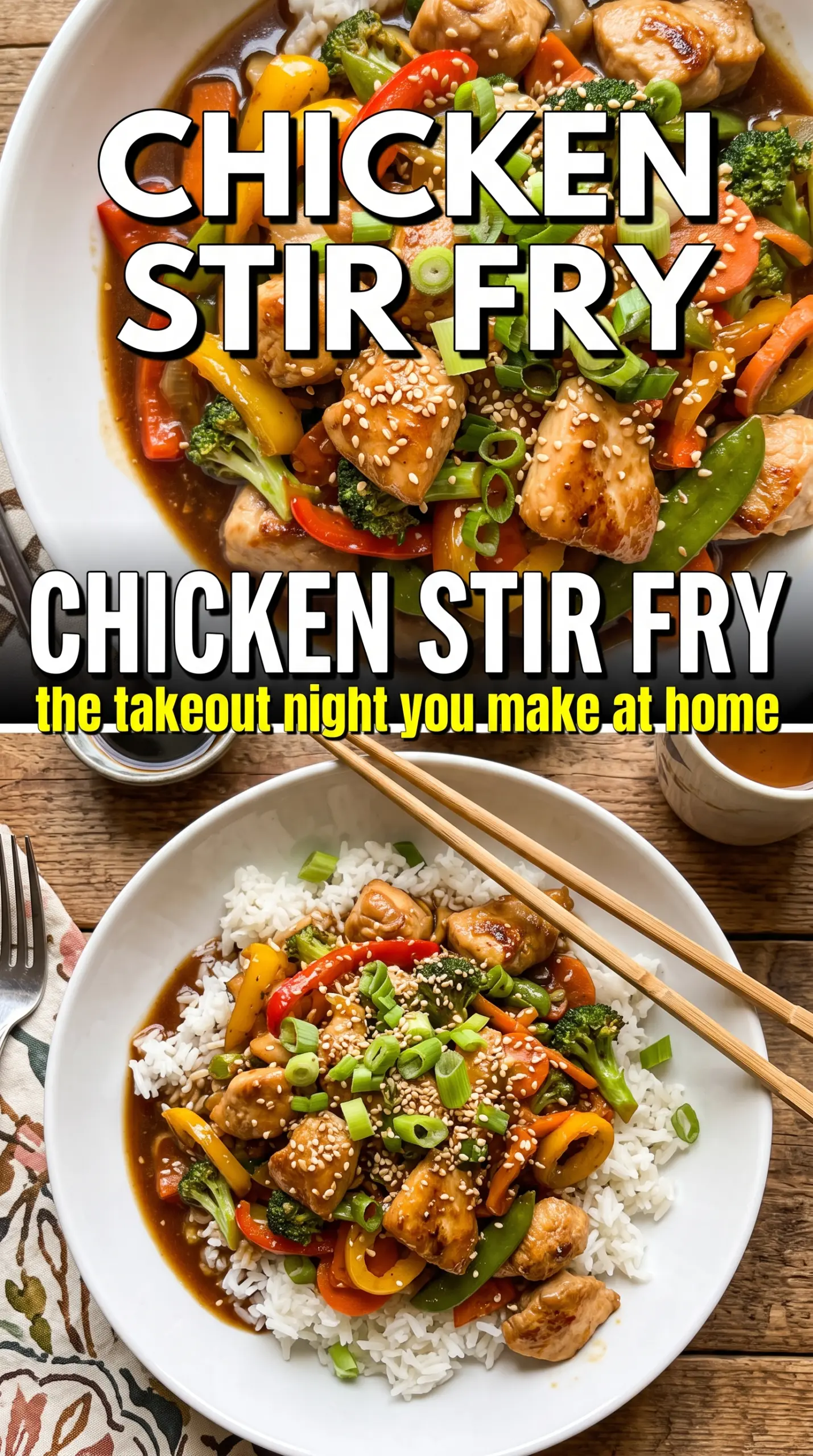
Tender chicken, crisp vegetables, and a glossy soy-ginger sauce are what make this Chinese chicken stir fry worth keeping on repeat. The chicken stays juicy because it gets a light cornstarch coating before it ever hits the pan, and the sauce clings to every piece instead of pooling at the bottom of the wok. You get that takeout-style finish at home without the soggy vegetables or thin, watery sauce that so often comes with a rushed stir fry.
The key is heat and timing. The chicken cooks first in a smoking-hot pan so it can brown before the vegetables go in, and the sauce is mixed ahead so the wok stays moving once the garlic and ginger hit the oil. Cornstarch shows up twice here for a reason: once on the chicken for a silky coating, and once in the sauce to give it that glossy, restaurant-style thickness in just a minute or two.
Below you’ll find the small details that matter most, including the right moment to add the sauce and the easiest swaps if you’re working with what you have in the fridge.
The sauce thickened fast and coated everything beautifully. My chicken stayed tender, and the broccoli still had a little bite instead of turning mushy.
Save this Chinese chicken stir fry for the nights when you want glossy takeout-style sauce, crisp vegetables, and dinner on the table fast.
The Trick to Keeping the Chicken Juicy While the Veggies Stay Crisp
Stir fry fails when everything goes in at once. The chicken needs direct contact with the hot pan so it can sear before it starts steaming, and the vegetables need a shorter cook so they stay bright and snappy. If the pan is crowded, the temperature drops fast and you end up with pale chicken and limp broccoli instead of the browned, crisp-edged finish this dish needs.
Cornstarch is doing more than thickening the sauce here. On the chicken, it helps protect the meat from drying out and gives the sauce something to cling to later. In the wok, high heat and short cooking times are what keep the carrots and peppers from turning soft before the sauce goes in.
What Each Ingredient Is Actually Doing in This Stir Fry
- Chicken breasts — Thin slicing is what keeps them tender and quick-cooking. Slice across the grain if you can, and keep the pieces even so they finish at the same time.
- Cornstarch — This gives the chicken a light coating and helps the sauce thicken fast. Don’t skip it unless you want a thinner, less glossy finish. If you need a substitute, arrowroot works in the sauce, but it won’t coat the chicken quite the same way.
- Soy sauce, oyster sauce, and hoisin — These build the salty-sweet backbone of the dish. Soy sauce brings the salt, oyster sauce gives depth, and hoisin rounds it out with a little sweetness. If you don’t keep hoisin on hand, add a touch more brown sugar and a little extra soy sauce, but the sauce will taste flatter.
- Chicken broth — This loosens the sauce just enough to let the cornstarch work evenly. Use low-sodium broth if your soy sauce is on the salty side.
- Ginger and garlic — These need only 30 seconds in the pan. Any longer and they can scorch in high heat, which is where bitter notes creep in.
- Broccoli, bell peppers, and carrot — This mix gives you color and texture. Cut the carrot thin enough to soften in a few minutes, or it’ll stay too firm while everything else finishes.
Getting the Sauce Thick Enough Before the Chicken Goes Back In
Coating the Chicken First
Toss the sliced chicken with cornstarch, salt, and white pepper until every piece looks lightly dusted. That coating should look dry, not paste-like, because too much moisture in the bowl turns the chicken gummy when it hits the pan. Work quickly once the chicken is coated so the cornstarch doesn’t clump while it sits.
Hot Pan, Fast Sear
Heat the oil until it shimmers and just starts to smoke. That’s the point where the chicken can brown instead of stew in its own juices. Spread the pieces out and leave them alone for a minute before stirring so they have time to pick up color; if you keep moving them too soon, you’ll lose the sear.
Vegetables Only Until They Wake Up
Once the chicken comes out, the vegetables go into the same pan so they pick up the flavor left behind. Stir-fry them just until the broccoli turns brighter green and the peppers soften at the edges, then add the garlic and ginger for a short finish. If the garlic goes in too early, it burns before the vegetables are done.
Finishing With the Sauce
Whisk the sauce well before it hits the heat so the cornstarch isn’t sitting in a clump at the bottom. Pour it in and stir constantly; within a minute or two, it should turn glossy and lightly coat the back of a spoon. Add the chicken back only after that happens, because returning it too soon can stop the sauce from thickening evenly.
How to Adjust This Stir Fry When You Need a Different Version
Gluten-Free Version
Swap in tamari for the soy sauce and check that your oyster sauce and hoisin are labeled gluten-free. The sauce will still thicken the same way because the cornstarch does the heavy lifting, and the flavor stays close to the original.
Vegetable-Heavy Stir Fry
Add mushrooms, snow peas, or sliced cabbage if you want more vegetables. Keep the total volume under control so the pan stays hot; if you overload it, the vegetables steam and the sauce turns watery.
Chicken Thigh Swap
Boneless chicken thighs work well here and bring a little more richness. They take a minute or two longer than breast meat, so cook until the pieces are fully opaque and browned at the edges before removing them from the pan.
Lower-Sugar Sauce
Cut the brown sugar in half if you want a less sweet sauce. The dish will taste a little sharper and more savory, so you may want an extra splash of hoisin to keep the balance round.
Storage and Reheating
- Refrigerator: Store leftovers in an airtight container for up to 4 days. The vegetables soften a little as they sit, but the flavor holds up well.
- Freezer: It freezes, but the vegetables lose some of their crispness after thawing. Freeze in portions for up to 2 months if texture isn’t your top priority.
- Reheating: Reheat in a skillet over medium heat with a splash of water or broth. The biggest mistake is blasting it in the microwave until the chicken turns tough and the sauce tightens too far.
Questions I Get Asked About This Recipe
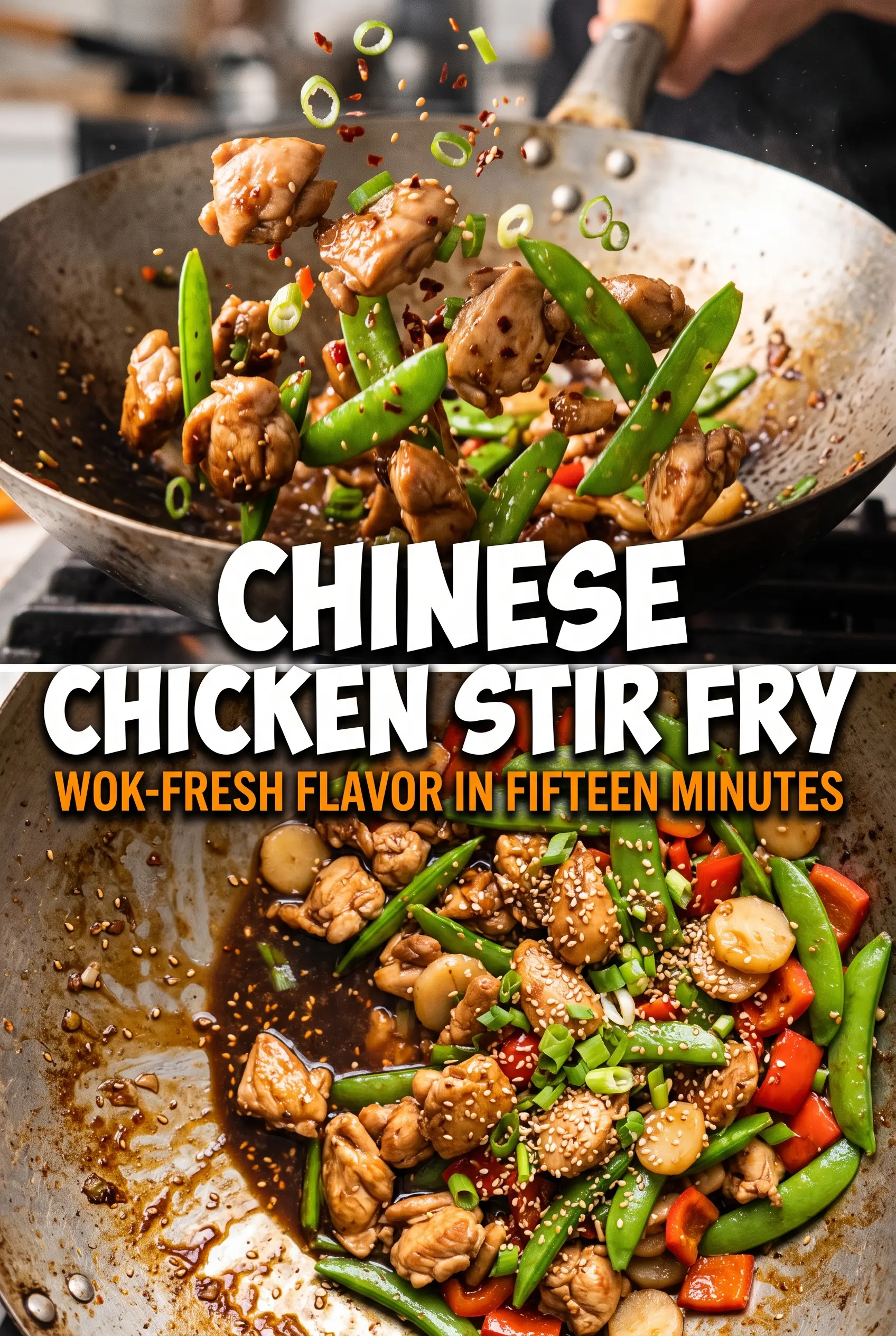
Chinese Chicken Stir Fry
Ingredients
Equipment
Method
- Toss the chicken with cornstarch, salt, and white pepper until evenly coated, so the strips look lightly dusted and dry.
- Whisk together soy sauce, oyster sauce, hoisin sauce, brown sugar, sesame oil, cornstarch, and chicken broth until smooth and glossy.
- Heat the vegetable oil in a wok or large skillet over high heat until smoking, indicated by a thin haze above the pan.
- Add the chicken in a single layer and cook 4-5 minutes until golden and cooked through, stirring only as needed so it browns.
- Remove the chicken to a plate so it doesn’t overcook while you cook the vegetables.
- Stir-fry the bell peppers, broccoli, and carrot for 3-4 minutes until bright and just tender-crisp, with crisp edges and vivid color.
- Add the garlic and ginger and stir-fry 30 seconds until fragrant and lightly sizzling.
- Pour in the sauce and stir 1-2 minutes until thickened, so the vegetables and pan juices look glossy and cling to the tines.
- Return the chicken to the skillet and toss to coat until every strip is coated in the dark sauce and looks evenly glistening.
- Serve over rice and finish with sesame seeds and green onions, so the top looks speckled and fresh.