
Soft, pillowy apple cinnamon rolls with caramelized fruit tucked into every swirl have a way of disappearing faster than anything else on the breakfast table. The dough bakes up tender and light, the filling turns jammy instead of watery, and the cream cheese glaze melts into the warm spirals instead of sitting on top in a heavy layer. You get the cozy cinnamon roll texture people expect, but with little bursts of baked apple that make each bite taste fresh and homemade.
The trick is cooking the apples before they go into the dough. Raw apples leak juice, and that extra liquid can make the filling slide out and leave the centers gummy. A quick stovetop cook with butter, brown sugar, cinnamon, and nutmeg concentrates the flavor and gives you those caramelized edges that hold up inside the roll. The other thing that matters is the dough texture: soft, slightly tacky dough bakes into the best rolls, while a dry dough gives you tight, bready spirals.
Below, I’m walking through the part that actually matters most: how to keep the filling thick, how to roll the dough without squeezing it dry, and how to glaze the rolls so the tops stay glossy and the centers stay tender.
The apple filling stayed put and the centers baked up soft, not wet. I loved that the glaze melted into the swirls while the edges still got that sticky cinnamon-sugar finish.
Like these apple cinnamon rolls? Save them to Pinterest for the mornings when you want soft dough, caramelized apples, and cream cheese glaze in one pan.
The Part That Keeps Apple Rolls from Turning Soggy
Apple cinnamon rolls run into trouble when the filling looks perfect in the pan but melts into the dough while baking. Apples release juice fast, especially once sugar hits them, and that liquid can flood the spiral before the center has time to set. Cooking the filling first changes the whole outcome: the apples soften, the juices thicken, and the cinnamon sugar clings instead of running.
The dough matters just as much. If it gets too dry during kneading, the rolls bake up tight and bread-like instead of plush. You want a soft dough that clears the bowl and still feels slightly tacky when you touch it. That little bit of moisture gives you the tender pull-apart texture people expect from a good cinnamon roll.
- Apples — Use firm, baking-friendly apples so they hold some shape after cooking. Softer apples break down too quickly and turn the filling mushy.
- Brown sugar — This builds the sticky syrup around the apples. Dark brown sugar gives a deeper caramel note, while light brown sugar works fine if that’s what you have.
- Butter — A small amount helps the filling coat evenly and keeps the apples glossy. Don’t skip it unless you want a drier, more clumpy filling.
- Flour — All-purpose flour is the right balance here. Bread flour will make the rolls a little chewier, which works in a pinch but changes the texture.
What Each Ingredient Is Doing in These Rolls
- Warm milk — This wakes up the yeast and gives the dough a softer crumb than water would. Keep it warm, not hot, or you’ll slow the yeast instead of activating it.
- Active dry yeast — This is what gives the rolls their lift. If it doesn’t foam in the first few minutes, the dough won’t rise properly and the rolls will bake dense.
- Eggs — They enrich the dough and help it stay tender. Room-temperature eggs blend in more smoothly, which keeps the dough from getting streaky.
- Butter — Melted butter adds richness to the dough and helps the rolls stay soft the next day. For the filling, it also carries the cinnamon flavor through the apples.
- Cream cheese — This makes the glaze tangy enough to balance the sweet filling. It needs to be softened or it will leave little lumps in the glaze.
- Powdered sugar — This thickens the glaze without graininess. Add the milk slowly so you can stop at a drizzle consistency instead of ending up with something thin and runny.
Building the Rolls So the Filling Stays Put
Proofing the Yeast
Stir the warm milk, yeast, and a little sugar together and wait for a foamy top. That foam tells you the yeast is alive and ready to work. If the mixture stays flat, stop there and start over, because the dough won’t rise well enough to give you soft rolls.
Mixing and Kneading the Dough
Add the remaining sugar, butter, eggs, and vanilla, then work in the flour and salt until a shaggy dough forms. Knead until the surface looks smooth and the dough feels elastic, about 8 minutes. If it clings to everything like batter, it needs more flour; if it feels stiff right away, the rolls will bake dry.
Cooking the Apple Filling
Cook the diced apples with butter, brown sugar, cinnamon, and nutmeg until the juices look syrupy and the apples are tender but still intact. You’re not trying to make applesauce here. Let the filling cool before spreading it on the dough, or the heat will soften the dough and make rolling frustrating.
Rolling, Cutting, and Rising
Roll the dough into a rectangle and spread the cooled filling all the way to the edges, then roll it up tightly from the long side. Cut into even pieces with a sharp knife or unflavored dental floss so you don’t smash the spiral. Arrange the rolls in the pan with a little room around them, then let them rise until puffy and touching.
Baking and Glazing
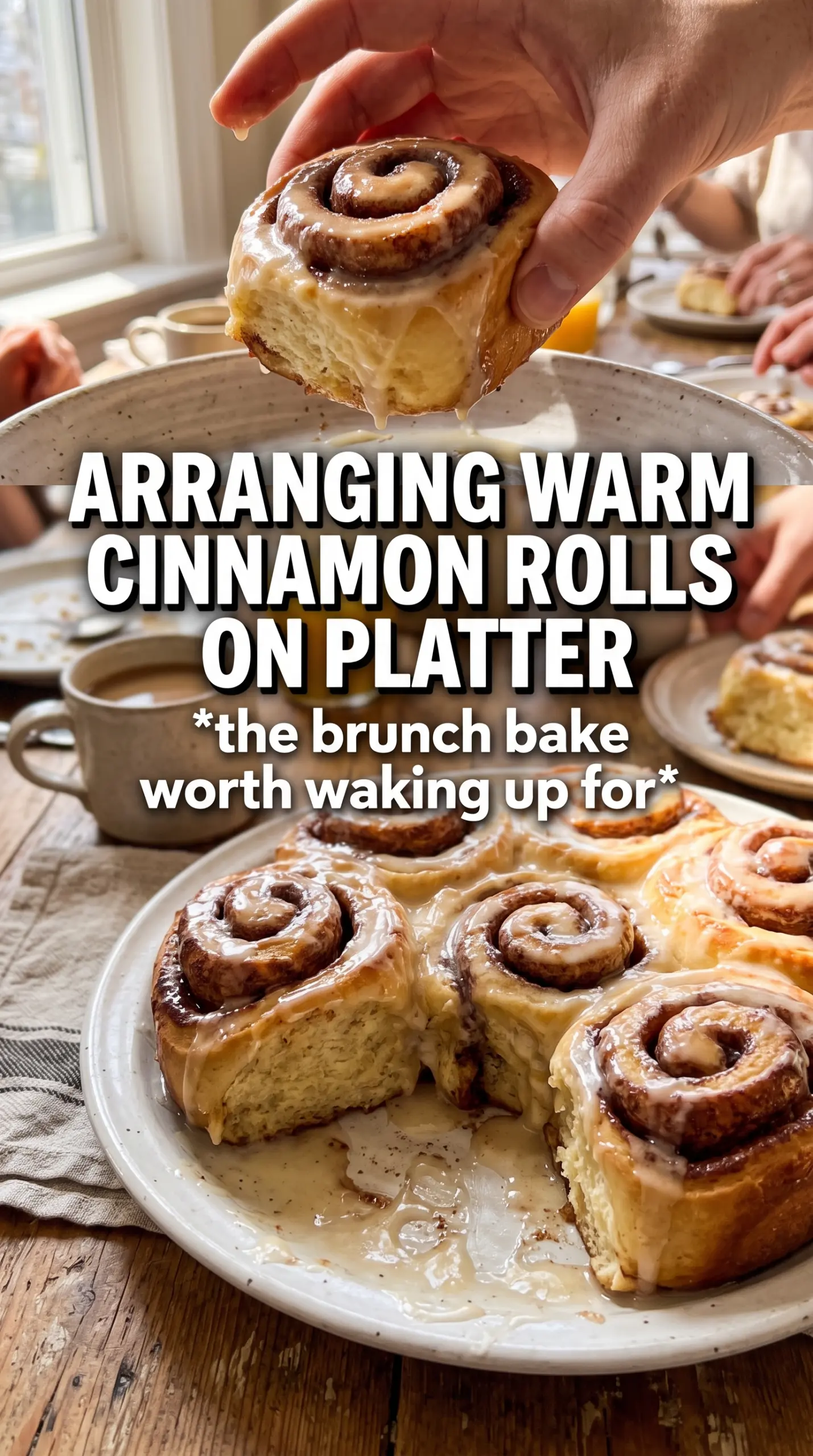
Bake until the tops are golden and the centers look set but still soft when gently pressed. If the rolls brown too quickly, lay a loose sheet of foil over the top for the last few minutes. Glaze them while warm so the frosting melts into the swirls and settles into the cracks.
How to Adapt These Apple Cinnamon Rolls Without Losing the Soft Center
Dairy-Free Version
Swap the milk for unsweetened oat milk or almond milk, use a plant-based butter, and replace the cream cheese with a dairy-free cream cheese alternative. The rolls still rise and bake well, but the glaze will taste a little lighter and less tangy.
Using Pears Instead of Apples
Firm pears work if that’s what you have, but they soften faster than apples. Cook them a minute or two less so they don’t collapse completely, and expect a slightly sweeter, softer filling.
Make-Ahead Overnight Rolls
Assemble the rolls in the pan, cover tightly, and refrigerate overnight after shaping. In the morning, let them sit at room temperature until they look puffy again before baking, or the centers can stay under-risen and dense.
Gluten-Free Swaps
Use a cup-for-cup gluten-free flour blend designed for yeast doughs. The texture will be a little less stretchy and the rolls won’t have quite the same pull, but you can still get a soft, rich bake if you don’t overbake them.
Storage and Reheating
- Refrigerator: Store covered for up to 4 days. The rolls will firm up a bit, but they’ll still stay soft once rewarmed.
- Freezer: Freeze baked rolls without glaze for up to 2 months. Wrap them well so the filling doesn’t pick up freezer flavor.
- Reheating: Warm individual rolls in the microwave for 20 to 30 seconds or cover the pan with foil and heat in a 300F oven. Don’t blast them uncovered at high heat or the edges dry out before the center softens.
Questions I Get Asked About This Recipe
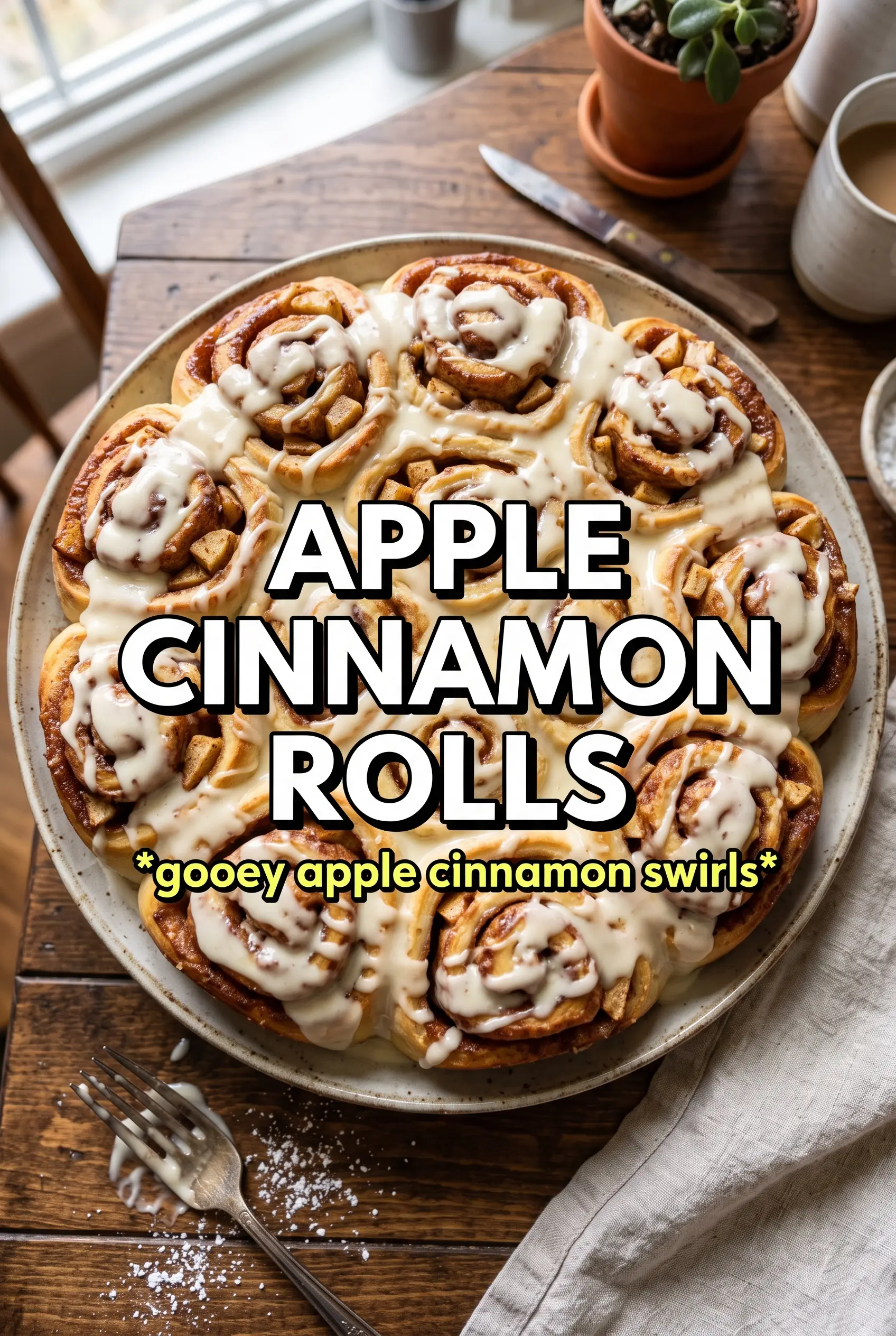
Apple Cinnamon Rolls
Ingredients
Equipment
Method
- Combine warm milk, yeast, and 1 tablespoon granulated sugar, then rest 5 minutes until foamy with a visible yeast bloom.
- Add the remaining granulated sugar, melted butter, eggs, and vanilla extract, then mix in all-purpose flour and salt to form a soft dough.
- Knead the dough for 8 minutes until smooth and elastic.
- Place dough in a greased bowl, cover, and rise for 1 hour until doubled in size.
- Cook diced apples with butter, brown sugar, cinnamon, and nutmeg for 5-7 minutes until caramelized and glossy.
- Cool the apple filling so it stays thick when spread on the dough.
- Roll the dough into a 12x18 inch rectangle and spread the apple filling evenly over the surface.
- Roll the dough tightly into a log, then cut into 12 rolls.
- Arrange rolls in a greased 9x13 dish and rise for 45 minutes until puffy.
- Bake at 375F for 22-25 minutes until the rolls are golden across the top.
- Beat cream cheese, powdered sugar, milk, and vanilla extract until smooth, then drizzle over warm rolls to help it melt and set.