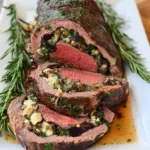
Caramelized on the outside and pull-apart tender inside, a Boston butt pork roast earns its keep the moment the bone starts loosening and the bark turns dark and sticky. This is the kind of roast that fills the house with smoke, garlic, and paprika while it quietly does the heavy lifting in the oven for hours. When it’s done right, the meat shreds into juicy strands that hold onto the pan juices instead of drying out on the cutting board.
The part that matters most is patience. Boston butt has enough fat and connective tissue to turn silky, but only if it stays in the oven long enough to pass through that stubborn middle stretch where it still feels firm. The dry rub builds the crust, the vinegar keeps the pan from going dry, and the low heat gives the collagen time to melt without scorching the sugars in the rub. That’s how you get pork that tastes slow-cooked in the best possible way, not merely cooked through.
Below, I’ve laid out the exact cues I watch for, the ingredient swap that still gives you good bark, and the small timing detail that keeps the roast from turning stringy before it’s ready.
The bark set up beautifully and the pork shredded with almost no effort after the full roast time. I tossed it with the pan juices like you said, and the sandwiches stayed juicy even the next day.
Save this Boston butt pork roast for the kind of Sunday dinner that turns into a week of pulled pork sandwiches.
The Bark Comes From the Rub, But the Real Test Is the Roast Time
Boston butt is forgiving, but it’s not fast. The fat and connective tissue need time to melt, and that only happens once the roast has spent long enough in a low oven for the meat fibers to relax. If you pull it when the center still feels tight, you’ll get slices that look done and eat dry. The target isn’t just a safe temperature; it’s the point where the pork gives up cleanly under a fork and the bone twists loose without a fight.
The other mistake is chasing color too early. The brown sugar in the rub helps the crust darken, but only if the roast stays covered for most of the cook so the exterior doesn’t burn before the inside turns tender. The last stage of resting matters too. That’s when the juices settle back into the meat instead of running out the second you shred it.
- Bone-in pork butt — Bone-in roasts cook a little more evenly and give you a built-in doneness cue. Boneless works too, but it can cook faster, so start checking earlier and go by tenderness, not the clock.
- Brown sugar — This helps build the bark and balances the smoke from the paprika. If you need a lower-sugar version, cut it back, but know the crust will be less lacquered and a little less dark.
- Smoked paprika — This is doing a lot of the “BBQ” work without a smoker. Regular paprika will still color the roast, but you’ll lose that deep, woodsy note that makes the pork taste slow-cooked.
- Apple cider vinegar — The vinegar keeps the bottom of the pan from drying out and adds a sharp note that cuts through the richness. If you’re out, use apple juice with a splash of lemon juice, but the finish will be softer and sweeter.
What Each Ingredient Is Actually Doing in This Pork Dish

- Pork (cut properly for the method) — Pat dry so it browns instead of steams. Even thickness ensures uniform cooking.
- Oil or butter (the browning medium) — High-heat oil essential for proper searing. Creates pan flavor.
- Seasonings (salt, pepper, spices) — Build flavor boldly. Pork carries the entire profile.
- Aromatics (garlic, onion, ginger) — Cook with fat to bloom flavors. Become foundation of dish.
- Sauce or liquid (the moisture keeper) — Keeps lean pork from drying. Balance richness with acid.
- Vegetables (if using) — Layer by cooking time so everything finishes together. Hard vegetables first.
- Acid (vinegar, wine, citrus) — Brightens sauce and prevents heavy flavor. Add near end.
- Proper doneness (145°F, slightly pink center) — Pork is safe at this temp and stays juicy. Higher temps dry it out.
Getting the Oven Roast to Tender, Shreddable Pork
Rubbing the Roast and Letting It Sit
Mix the rub until the sugar and spices look even, then coat every side of the pork butt in a thick layer. Press it on so it clings instead of dusting off in the pan. If you can refrigerate it overnight, the salt starts seasoning deeper and the surface dries slightly, which helps the bark set. Put the pork on the counter for a short while before roasting so the chill comes off the outside and the oven doesn’t have to fight a cold center.
Roasting Low and Covered
Set the pork fat-side up in a roasting pan and pour the vinegar around the bottom, not over the top. Cover it tightly with foil so the roast braises gently in its own steam and the rendered fat. A loose seal lets moisture escape, and that’s how the edges dry out before the center softens. At 275°F, plan on a long roast and trust the tenderness more than the timer.
Knowing When It’s Done
The best cue is not just the thermometer, though 195–205°F is the range that usually gives you shreddable pork. The real test is whether a fork slides in with almost no resistance and the meat starts breaking into strands when you lift it. If it still slices neatly, it needs more time. Pulling it early is the fastest way to end up with chewy pork that never quite turns into pulled pork.
Resting Before You Shred
Let the roast rest uncovered for about 30 minutes before pulling it apart. The surface will stop steaming, the juices will settle, and the bark will hold together better when you shred. If you start too soon, the meat sheds a lot of liquid on the board and tastes flatter. Toss the shredded pork with the pan juices after you’ve removed the excess fat, because that’s where the best seasoning lives.
Three Ways to Make This Pork Butt Work for Different Kitchens
Dairy-Free, No Changes Needed
This recipe is naturally dairy-free as written. The key thing to keep is the pan juice toss at the end, because that’s what keeps the shredded pork moist without needing butter, cream, or cheese.
Less Sweet, More Savory Bark
Cut the brown sugar to 1 tablespoon if you want a more savory crust. The roast will still brown, but the bark will lean more peppery and smoky instead of sticky-sweet. This is the version I’d use for sandwiches with a sharp slaw or extra tangy sauce.
Turning It Into a Weeknight Shortcut
If you’re short on time, season the pork in the morning and roast it the same day. You’ll lose a little depth from the overnight rest, but the bark still comes out well if you keep the rub thick and give the roast the full low-and-slow cook. Don’t try to rush the oven temperature higher; that trades tenderness for speed and the meat won’t shred as cleanly.
Storage and Reheating
- Refrigerator: Store the shredded pork in its juices for up to 4 days. It gets a little more flavorful after a night in the fridge.
- Freezer: It freezes well for up to 3 months. Portion it with some pan juices in airtight containers or freezer bags so it doesn’t dry out.
- Reheating: Warm it covered in a low oven or in a skillet with a splash of the reserved juices. Don’t blast it in the microwave for too long at once or the leaner edges will turn stringy before the center is hot.
Answers to the Questions Worth Asking
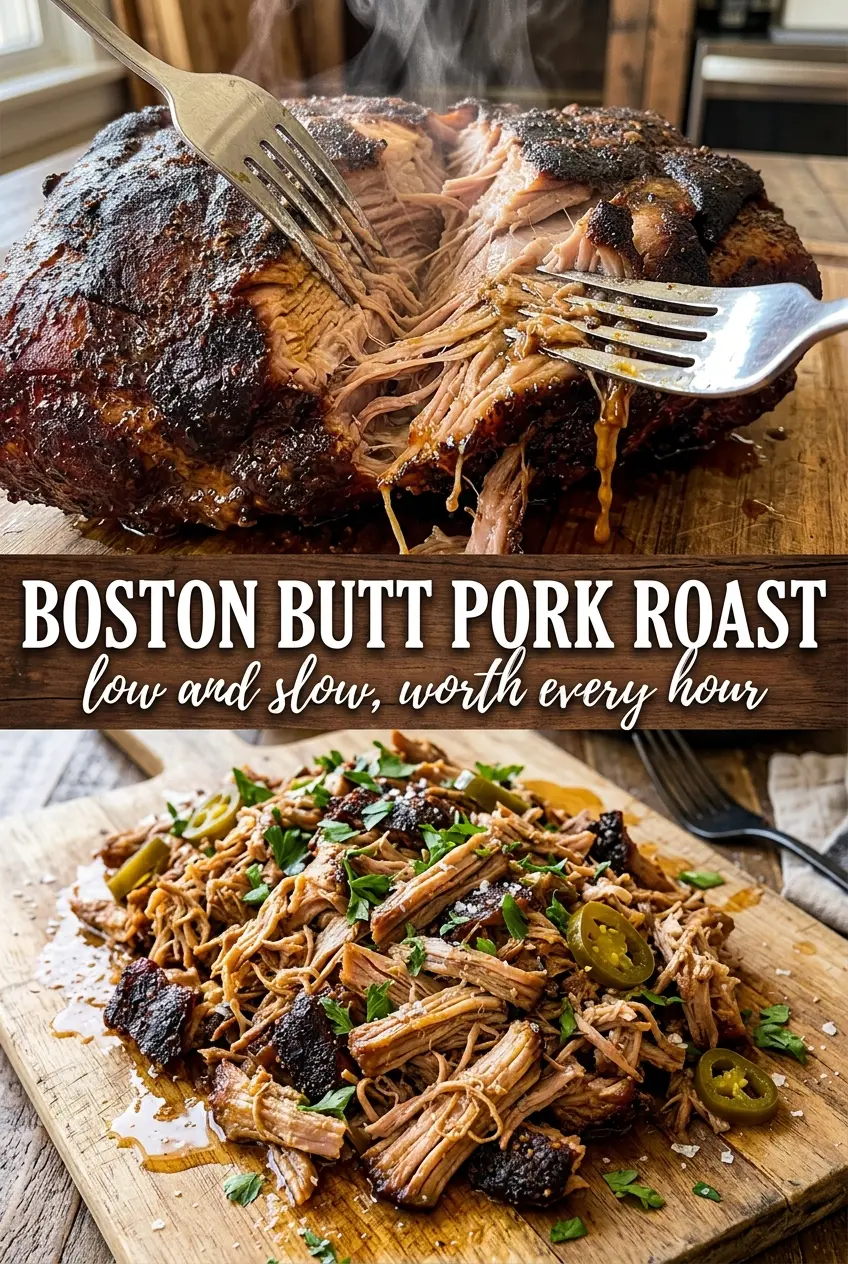
Boston Butt Pork Roast (Oven Pulled Pork)
Ingredients
Equipment
Method
- Mix the brown sugar, smoked paprika, garlic powder, onion powder, cumin, cayenne, salt, and black pepper until evenly combined.
- Pat the pork butt dry, then coat it thoroughly with the dry rub on all sides.
- Cover and refrigerate overnight if possible so the rub adheres and deepens in flavor.
- Preheat the oven to 275°F.
- Place the pork fat-side up in a roasting pan and pour the apple cider vinegar around the bottom.
- Cover tightly with foil and roast for 7–8 hours, until the internal temperature reaches 195–205°F and the meat shreds easily.
- Rest uncovered for 30 minutes to let the juices redistribute.
- Shred with two forks, discarding excess fat as you pull the pork apart.
- Toss the shredded pork with the pan juices, then serve with BBQ sauce.