Golden-orange sauce clings to every pillowy bite of gnocchi here, with browned sausage, crisp sage, and a little parmesan turning the whole skillet into something rich without feeling heavy. The butternut squash brings a natural sweetness that plays beautifully against the savory sausage and sharp cheese, and the gnocchi soak it all up without falling apart when you handle them gently.
The trick is keeping the sauce smooth and balanced. Butternut squash puree already gives you body, so the cream only needs a short simmer with the parmesan to turn glossy. Frying the sage in the butter first does double duty: you get a crisp garnish and a fragrant base for the garlic, which keeps the whole dish tasting layered instead of one-note.
Below, I’ve included the little timing details that keep the sauce from getting too thick and the gnocchi from going gummy. If you’ve ever had a squash pasta dish that felt flat or mushy, this version fixes both problems.
The sauce turned out silky and thick enough to coat the gnocchi without getting gluey, and the crispy sage on top made it taste like something from a nice restaurant.
Save this creamy butternut squash gnocchi with sausage and sage for the nights when you want a cozy skillet dinner with a glossy sauce and crisp sage on top.
The Mistake That Makes Squash Gnocchi Heavy Instead of Silky
The biggest problem with a dish like this is overcooking the sauce after the cream goes in. Butternut squash already brings thickness, and if you boil it hard with parmesan, the whole skillet can turn pasty or grainy instead of smooth. A gentle simmer is enough to marry the ingredients and keep the cream glossy.
The second place this goes wrong is with the gnocchi. They need only enough cooking to turn tender and float, then they should go straight into the sauce. If you leave them sitting in water, they pick up too much moisture and lose that soft, pillowy texture that makes this dish work.
- Browned sausage — This gives the dish its savory backbone and seasoned fat. Drain off the excess grease so the sauce stays balanced instead of oily.
- Roasted butternut squash puree — Roasting deepens the squash flavor and keeps it from tasting watery. Store-bought puree can work in a pinch, but fresh-roasted puree gives you a richer, less flat result.
- Heavy cream — This smooths out the squash and helps the parmesan melt into a cohesive sauce. Half-and-half will work, but the sauce will be thinner and a little less luxurious.
- Parmesan — Use finely grated parmesan so it melts cleanly. Coarse shreds can stay stringy if the heat is too high.
What Each Ingredient Is Doing in the Skillet
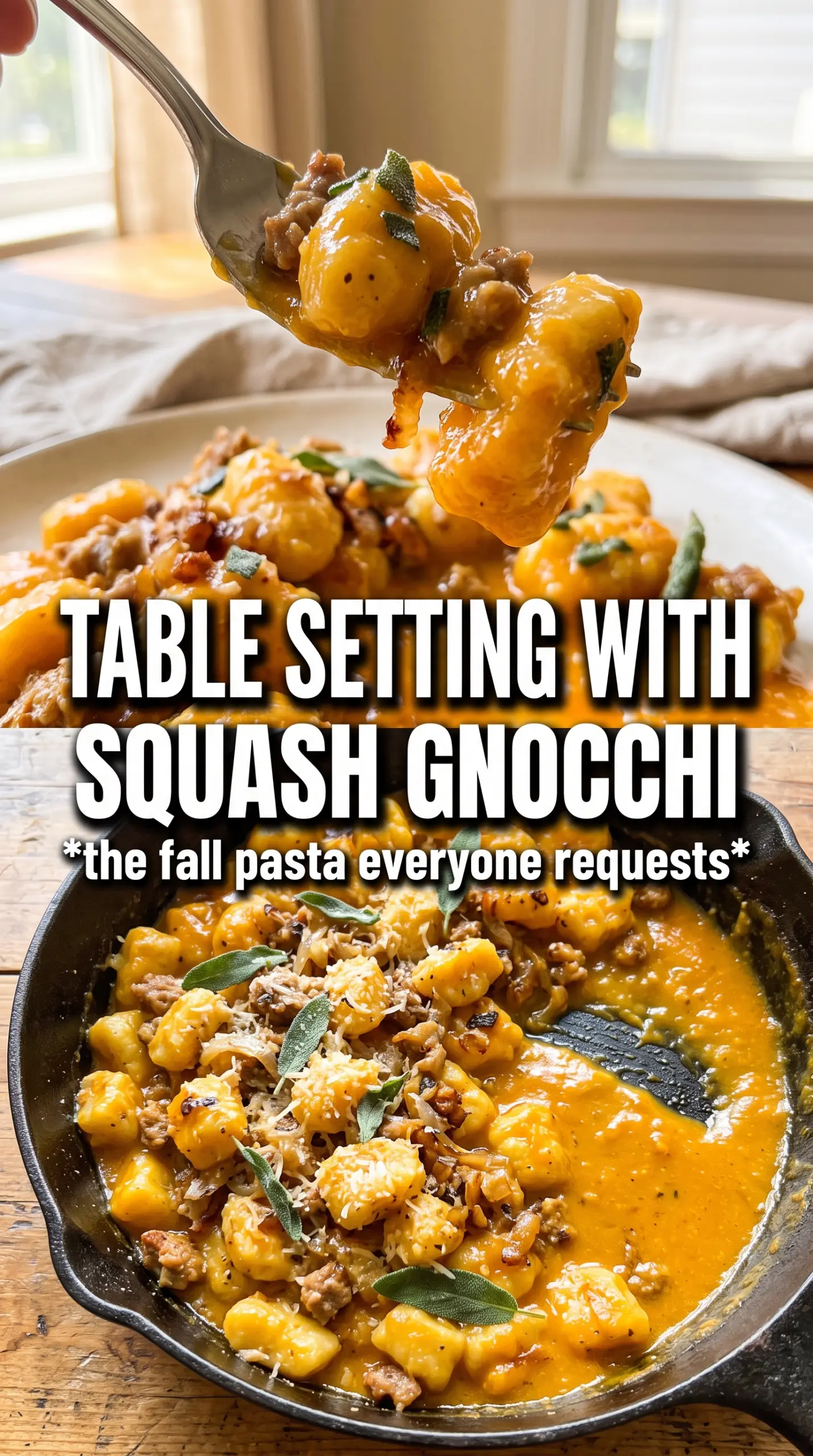
- Potato gnocchi — These bring the soft, dumpling-like texture that makes the dish feel hearty fast. Shelf-stable gnocchi works well here because the sauce is rich enough to carry it.
- Italian sausage — Mild sausage keeps the squash front and center, while hot sausage adds more heat and spice. If you use chicken sausage, add a little extra salt and parmesan because it’s usually leaner and less seasoned.
- Butter and sage — Frying the sage in butter perfumes the whole dish and gives you a crisp garnish. Don’t skip this step; fresh sage from the pan tastes more layered than adding dried herbs at the end.
- Nutmeg and red pepper flakes — Nutmeg pulls out the squash’s natural sweetness, and red pepper flakes keep the sauce from tasting flat. They’re subtle, but they’re the difference between good and rounded.
- Garlic — One minute in the butter is enough. If it browns too much, it turns bitter and takes over the sauce.
Building the Sauce Without Losing the Texture
Brown the Sausage First
Cook the sausage in a large skillet until it’s deeply browned and crumbly, with no pink left. That browned fond stuck to the pan is what gives the sauce depth, so don’t wipe the skillet clean. Once the sausage is done, scoop it out and drain off the excess fat, leaving just enough behind to carry the next layer of flavor.
Fry the Sage in the Butter
Add the butter to the same skillet and let it melt before the sage goes in. The leaves should sizzle and crisp in a minute or two, then you want to pull them out while they’re still green with deepened edges, not blackened. This step gives you both garnish and infused butter, and it’s worth the extra minute.
Let the Sauce Simmer Gently
Once the garlic smells fragrant, stir in the squash puree and cream and keep the heat low. You’re looking for a lazy simmer, not a boil. Parmesan goes in after that, along with the nutmeg and red pepper flakes, and the sauce should turn glossy and smooth as it thickens. If it starts looking grainy, the heat is too high.
Finish With the Gnocchi at the Last Minute
Cook the gnocchi according to the package, then add them straight to the sauce while they’re hot. Toss in the sausage and coat everything until the sauce clings to each piece. Finish with the crispy sage and extra parmesan right before serving so the herbs stay crisp and the cheese melts just enough on top.
How to Adjust This for a Lighter Bowl, More Heat, or No Pork
Dairy-Free Version
Use full-fat coconut cream instead of heavy cream and a dairy-free parmesan-style cheese if you have one that melts well. The sauce will taste a little different, with a faint coconut note, but the squash still keeps it savory and rich.
Vegetarian Swap
Skip the sausage and sauté chopped mushrooms or a meatless sausage substitute in the skillet until browned. You’ll lose some of the salty, meaty depth, so add an extra pinch of salt and a little more parmesan to keep the sauce from tasting too soft.
More Heat, Less Sweetness
Use hot Italian sausage and increase the red pepper flakes a little if you want a sharper finish. That extra heat cuts through the squash and cream, which is useful if you like the dish to land more savory than cozy-sweet.
Storage and Reheating
- Refrigerator: Store leftovers in an airtight container for up to 3 days. The sauce will thicken as it chills.
- Freezer: Freezing isn’t ideal because the cream sauce can separate and the gnocchi can turn soft. If you do freeze it, expect a looser texture after reheating.
- Reheating: Warm gently on the stove over low heat with a splash of cream or milk to loosen the sauce. High heat is the fastest way to make the sauce break and the gnocchi toughen up.
Questions I Get Asked About This Recipe
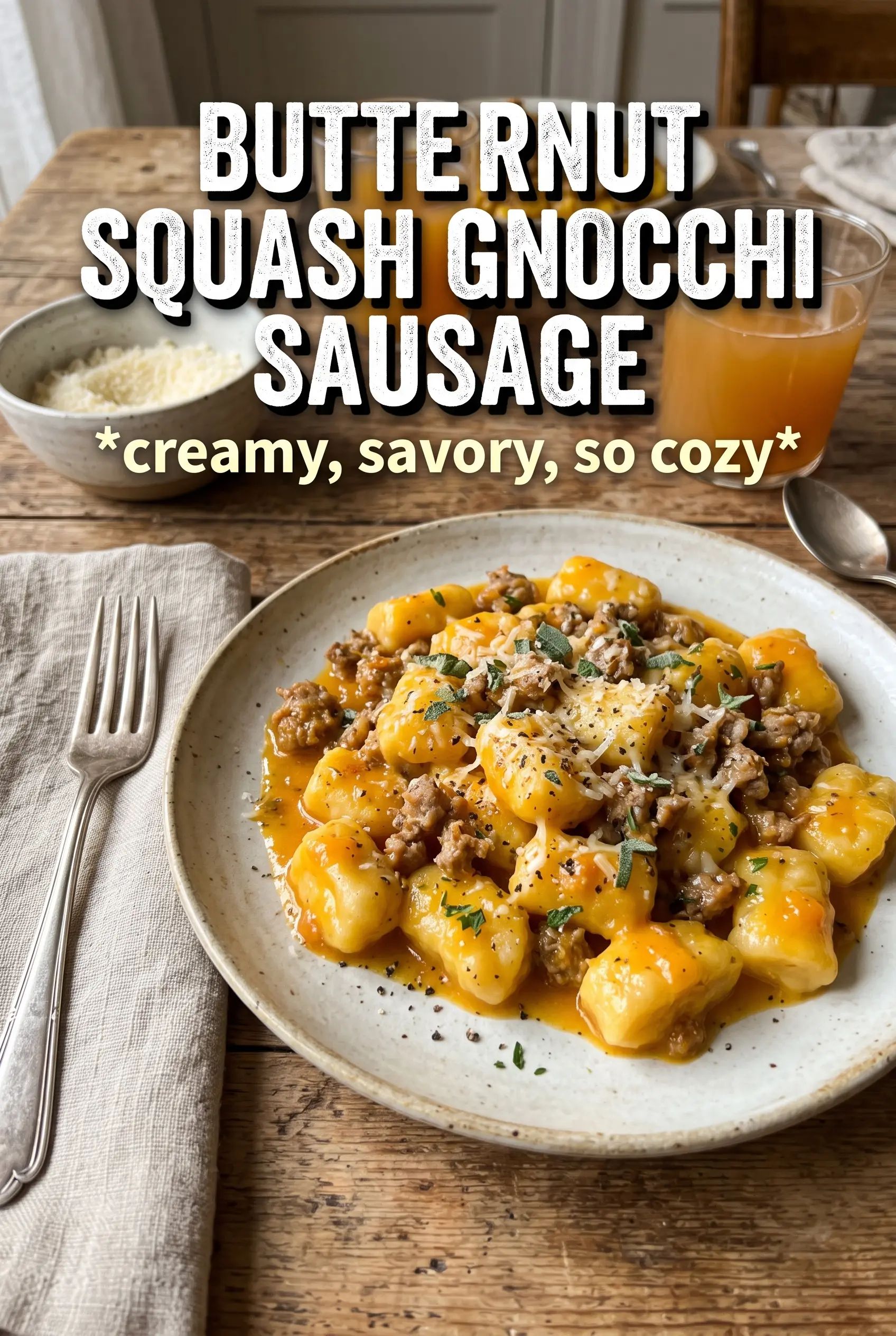
Creamy Butternut Squash Gnocchi With Sausage And Sage
Ingredients
Equipment
Method
- Heat a large skillet over medium-high heat and brown the Italian sausage until cooked through, about 8 to 10 minutes. Drain off excess fat and set the sausage aside.
- Melt the butter in the same skillet and fry the sage leaves until crisp and darkened at the edges, about 30 to 60 seconds. Remove the sage to a plate lined with paper towel.
- Reduce heat to medium and sauté the minced garlic in the butter until fragrant, about 1 minute. Add butternut squash puree and heavy cream and stir to combine.
- Stir in parmesan, nutmeg, and red pepper flakes and simmer until smooth and slightly thickened, about 5 minutes. Keep the sauce at a gentle simmer so it stays glossy.
- Cook the potato gnocchi according to package instructions, then add them directly into the simmering sauce. Stir gently until the gnocchi are coated and heated through, about 2 to 3 minutes.
- Return the browned sausage to the skillet and toss to evenly distribute. Season with salt and pepper to taste.
- Top with the crispy sage leaves and extra parmesan. Serve immediately with the sauce clinging to the pillowy gnocchi.