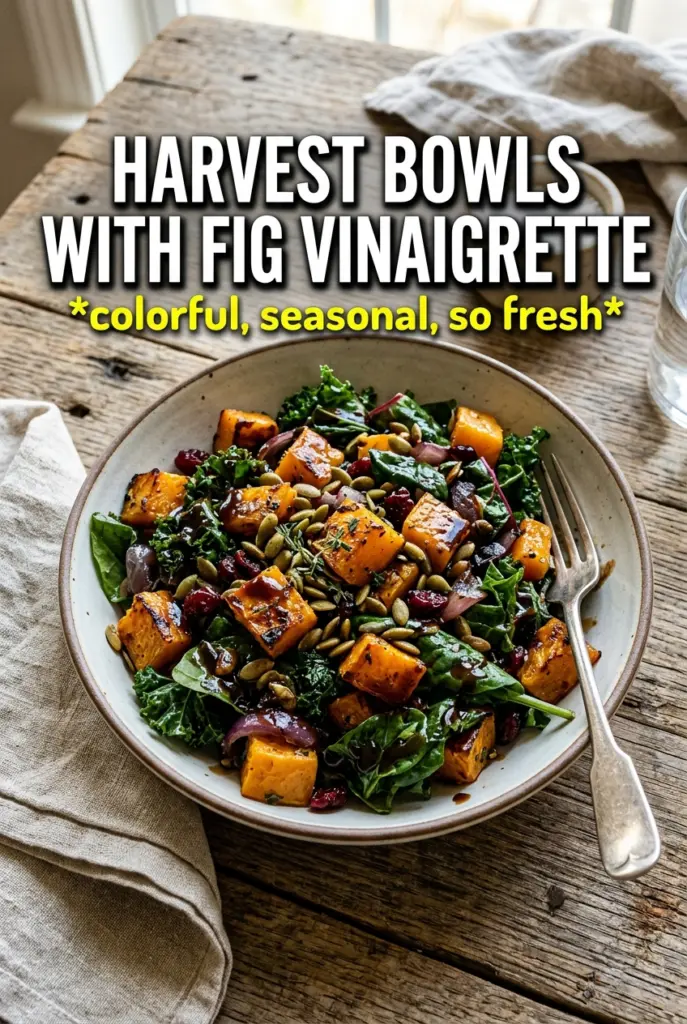
Roasted sweet potatoes, crispy chickpeas, and a glossy fig balsamic vinaigrette turn these harvest bowls into the kind of meal that eats like something from a favorite café but comes together with ordinary pantry ingredients. Every bite gives you a little contrast: warm and cool, soft and crisp, sweet and sharp, creamy and crunchy. That balance is what keeps this bowl from tasting like a pile of good ingredients thrown together.
The trick is cooking the sweet potatoes and chickpeas separately so each one gets the texture it needs. Sweet potatoes need enough space to caramelize instead of steaming, while the chickpeas need direct heat long enough to dry out and crisp at the edges. The dressing pulls everything together, and the fig jam gives it body and a mellow sweetness that works with balsamic instead of fighting it.
Below you’ll find the small details that make this bowl work every time, including how to keep the chickpeas crisp and what to swap if you need a dairy-free version.
The chickpeas got crisp instead of soggy, and the fig balsamic made the whole bowl taste balanced instead of too sweet. I ate the leftovers cold the next day and it was still great.
Save these harvest bowls with fig balsamic vinaigrette for a colorful grain bowl that balances roasted sweet potatoes, chickpeas, and tangy goat cheese.
The Part Most Grain Bowls Get Wrong: Texture Balance
The mistake with bowls like this is building them all at the same temperature and texture. If everything is soft, the bowl turns flat. If everything is crisp, it feels dry. This version works because the farro or quinoa gives you a steady base, the roasted sweet potatoes bring softness and caramelized edges, and the raw shaved Brussels sprouts keep the whole thing fresh and snappy.
Roasting the chickpeas separately matters more than people think. Sweet potatoes give off moisture as they cook, and if the chickpeas share a pan with them, they soften before they brown. You want the chickpeas on a tray with enough space around each one so the skins can dry out and crisp up instead of steaming in their own release.
What Each Ingredient Is Doing in the Bowl
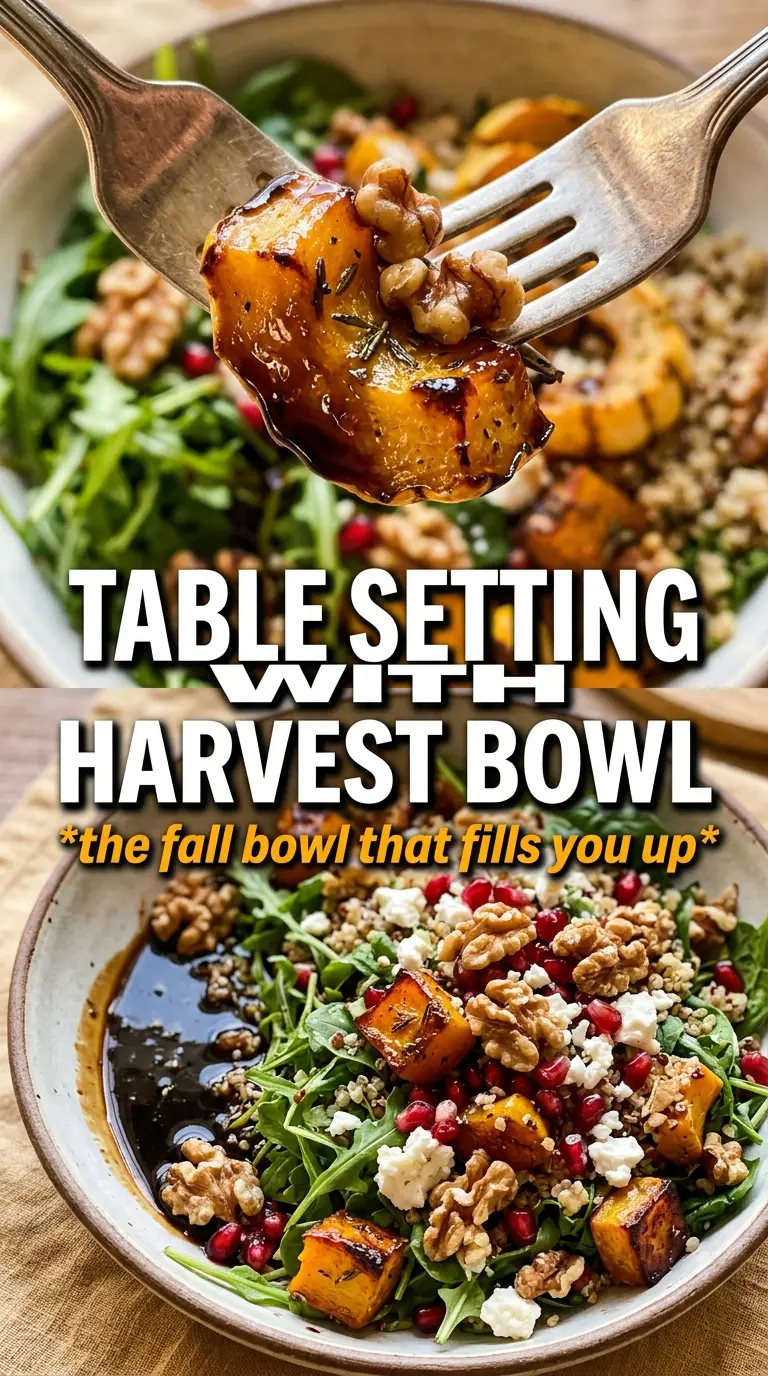
- Farro or quinoa — Either one works as the base, but they give different results. Farro stays chewy and hearty, which suits the roasted toppings, while quinoa keeps the bowl lighter and naturally gluten-free. If you’re cooking farro, give it enough salt so the base doesn’t taste bland under the vinaigrette.
- Sweet potatoes — These need high heat and room on the pan. Crowding them leads to soft edges instead of browned, almost sticky corners. Cut them into even cubes so they finish at the same time.
- Chickpeas — Dry them well before roasting. That step is what helps the skins crisp instead of splitting and going soft. Canned chickpeas are fine here, but the drier they are before they hit the oven, the better the texture.
- Fig jam — This is the ingredient that makes the dressing taste rounded instead of just sharp. It adds body and a fruitiness that balsamic alone can’t give. If you use a thinner jam, whisk a little longer so it fully emulsifies.
- Goat cheese — The tang cuts through the sweetness and gives the bowl a creamy finish. Feta works in a pinch, but it reads saltier and less soft. For dairy-free bowls, skip it and add avocado or extra pecans for richness.
How to Roast, Whisk, and Assemble Without Losing the Crunch
Roasting the Sweet Potatoes
Spread the sweet potatoes on a hot sheet pan in a single layer and leave space around each cube. They need direct contact with the pan to brown. Pull them when the edges are caramelized and a fork slips in without resistance, but don’t wait until they collapse or they’ll turn mushy once assembled.
Getting the Chickpeas Crispy
Roast the chickpeas on their own tray until they sound a little dry when shaken and look deep golden in spots. If they come out pale, they stay soft in the bowl. A light coat of oil helps, but the real key is surface dryness before roasting and enough time in the oven for the skins to tighten.
Whisking the Vinaigrette Until It Stays Together
Whisk the fig jam, balsamic, olive oil, Dijon, and garlic until the dressing turns glossy and slightly thick. If it looks broken at first, keep whisking; Dijon helps hold the emulsion together. Taste it before serving and adjust the salt at the end, since the goat cheese and pecans already bring some saltiness to the bowl.
Building the Bowl in the Right Order
Start with the grain, then add the warm roasted vegetables and chickpeas so they soften the greens just enough without wilting them completely. Scatter the pomegranate seeds and candied pecans over the top last so they stay bright and crunchy. Drizzle the vinaigrette over each bowl just before serving so the Brussels sprouts keep their bite.
How to Adapt These Bowls for Different Eaters and Different Nights
Make It Gluten-Free
Use quinoa instead of farro and the bowl stays just as satisfying. Quinoa gives you a lighter texture and a little less chew, but it lets the vinaigrette and toppings stay front and center without changing the rest of the recipe.
Make It Dairy-Free
Skip the goat cheese and add avocado slices or extra candied pecans for richness. You still get creaminess, but the bowl leans a little more savory-sweet and less tangy. If you want a sharper finish, add a tiny splash more balsamic to the dressing.
Swap the Pecans for Another Crunch
Toasted walnuts or pumpkin seeds work well if you don’t have candied pecans. Walnuts bring a slightly bitter, earthy note, while pumpkin seeds keep things cleaner and more savory. You lose the sticky sweetness of candied pecans, so the bowl feels less dessert-like and more earthy.
Storage and Reheating
- Refrigerator: Store the components separately for up to 4 days. The grains, sweet potatoes, and chickpeas hold up well, but the Brussels sprouts soften once dressed.
- Freezer: The roasted sweet potatoes, chickpeas, and cooked grain can be frozen for up to 2 months, but the assembled bowls and fresh toppings don’t freeze well. Freeze in portions and thaw in the fridge overnight.
- Reheating: Reheat the grain, sweet potatoes, and chickpeas in a 350F oven or a skillet until warmed through. Don’t microwave the chickpeas if you want them crispy again; use dry heat instead. Add the sprouts, cheese, pecans, and vinaigrette after reheating.
Questions I Get Asked About This Recipe
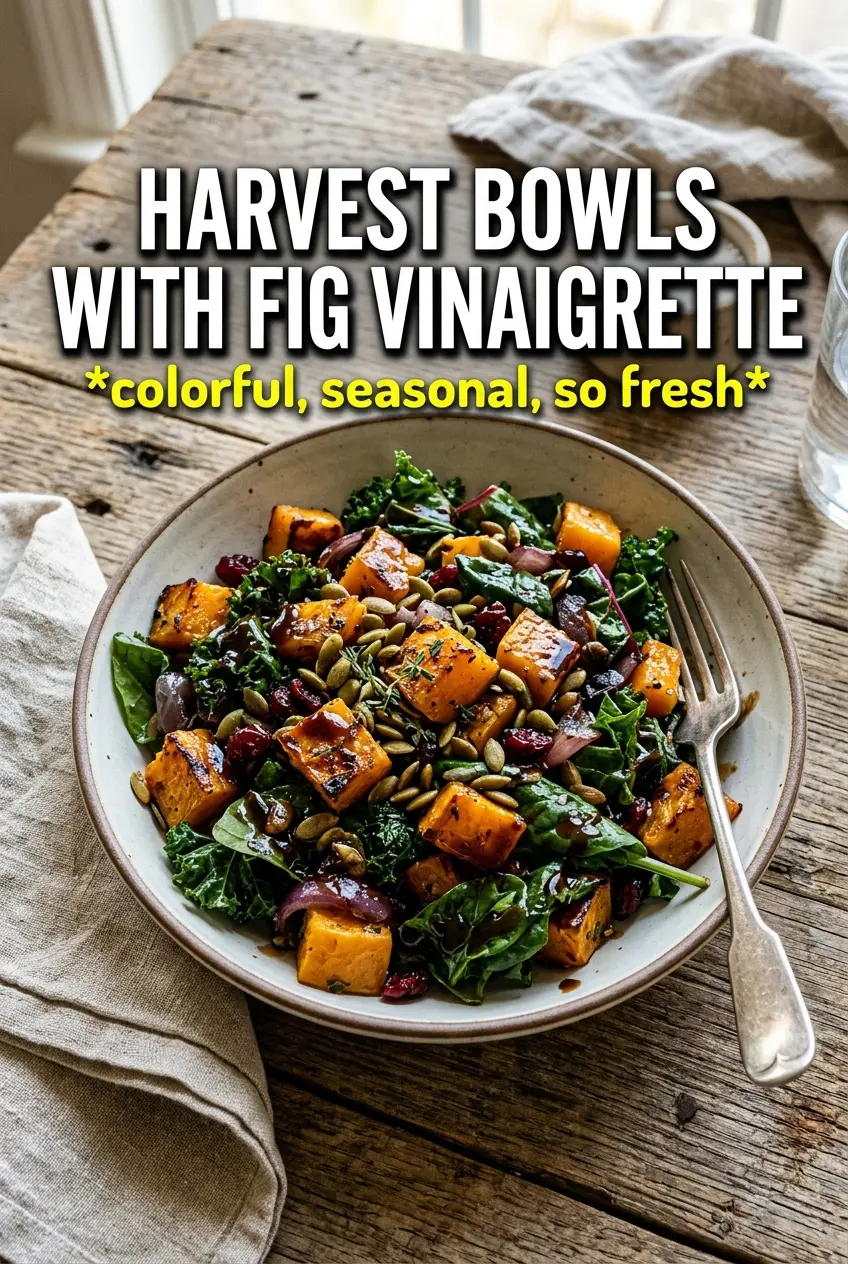
Harvest Bowls with Fig Balsamic Vinaigrette
Ingredients
Equipment
Method
- Heat oven to 425°F and arrange the sweet potato cubes on a sheet pan in a single layer. Roast for 25 minutes, until edges are tender and browned (visual cue: lightly caramelized corners).
- Drain and pat chickpeas dry, then place them on a separate sheet pan or the same pan if space allows. Roast at 425°F for 20-25 minutes, until crispy (visual cue: firm, golden surfaces with a few darker spots).
- In a bowl, whisk fig jam, balsamic vinegar, olive oil, Dijon mustard, and minced garlic until smooth. Season with salt and pepper to taste (visual cue: glossy vinaigrette with no visible mustard streaks or garlic clumps).
- Divide the cooked farro or quinoa among 4 bowls as the base. Keep the grain level for even topping (visual cue: an even layer across each bowl).
- Top each bowl with roasted sweet potatoes and then add the crispy chickpeas. Aim for a balanced mix so each bite includes roasted and crunchy pieces.
- Add the shaved Brussels sprouts over the warm toppings and finish with pomegranate seeds. The sprouts should be visible in thin strands (visual cue: bright, fresh green contrast against caramelized vegetables).
- Sprinkle candied pecans over each bowl for crunch, then crumble goat cheese on top. Drizzle generously with fig balsamic vinaigrette right before serving (visual cue: a red-brown sheen over the cheese and sprouts).