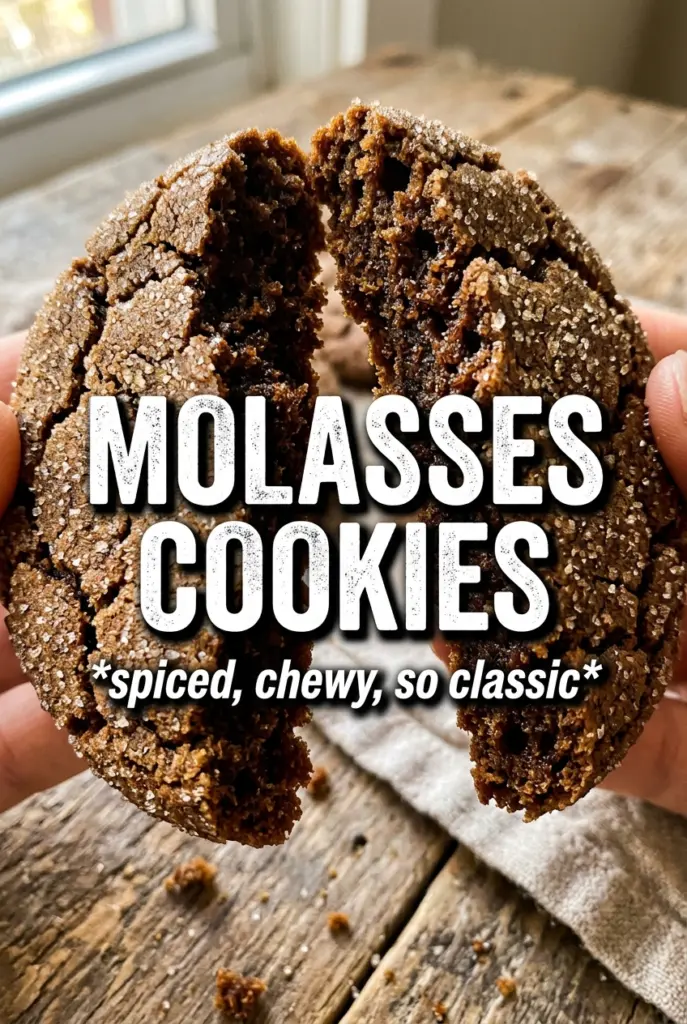
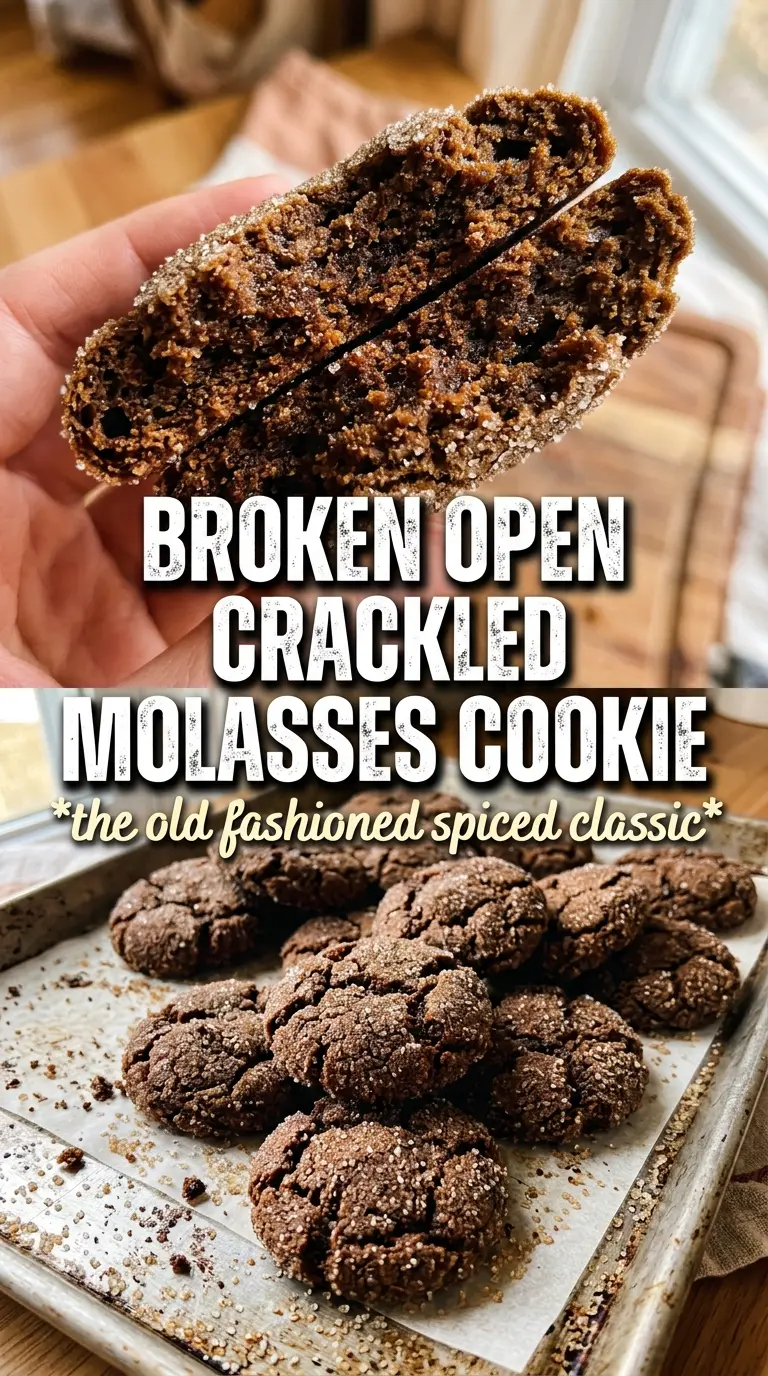
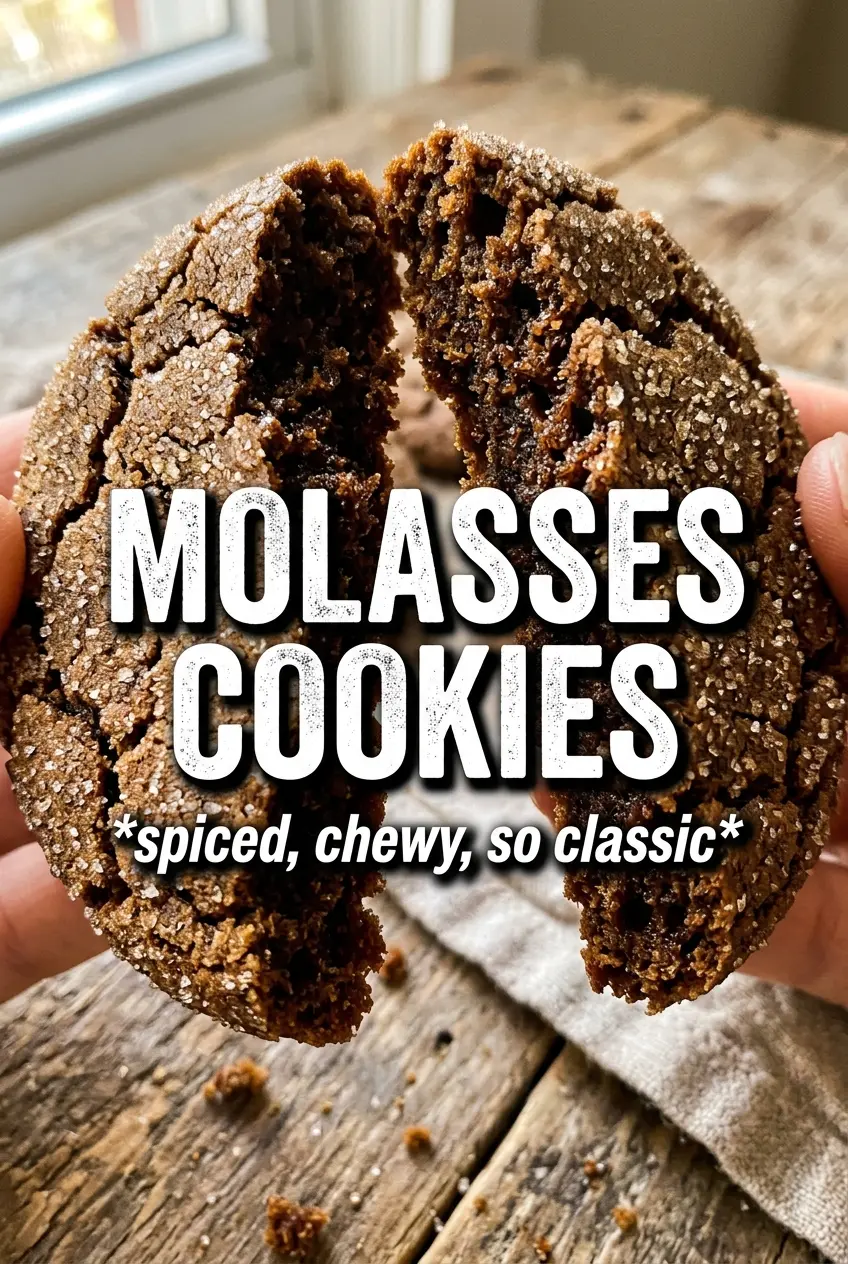
Molasses cookies earn their place by doing two things at once: they bake up with crackly sugar tops and stay soft in the center. The edges set into a delicate crisp, the middle stays chewy, and the spices sink in just enough to taste warm without turning harsh. When they’re done right, you get that first bite of dark caramel flavor, then a little snap from the sugar coating, then a tender middle that almost melts.
The trick is in the balance. Brown sugar keeps the dough moist, molasses brings depth, and the spice mix needs a little black pepper to sharpen the finish without making the cookies taste peppery. Chilling the dough matters here, too. It keeps the cookies from spreading too fast so the tops can crinkle instead of flattening out into thin wafers.
Below, I’ll show you how to get the signature crackled top, what kind of molasses to use, and how to tell when they’re baked just enough. If you’ve ever had molasses cookies turn dry or cakey, this version fixes both problems.
The dough chilled beautifully and the cookies came out with those classic crinkled tops. Mine were soft in the middle even the next day, and the black pepper made the spice flavor taste deeper, not stronger.
Like these crinkled molasses cookies? Save this recipe for chewy centers, crisp edges, and that deep spiced sugar finish.
The Part That Keeps Molasses Cookies Soft Instead of Cakey
Molasses cookies go wrong when the dough is overmixed or overbaked. Both push them toward a dry, cakey texture instead of the chewy center people actually want. The flour needs to disappear into the dough and stop there. Once you see streaks of flour gone and the dough holds together, you’re done mixing.
The other big mistake is waiting for the cookies to look finished in the oven. They should come out when the tops are crinkled and the centers still look a little underdone. That carryover heat on the pan is what sets the middle without drying it out. If you bake until they look firm all the way through, you’ll lose the soft center by the time they cool.
What Each Ingredient Is Actually Doing in These Cookies
- Molasses — Use regular molasses, not blackstrap. Blackstrap is more bitter and less sweet, and it can throw the whole cookie off balance. The molasses here gives the dough its dark color, deep flavor, and that soft, bendy center.
- Brown sugar — This brings moisture and a little caramel note that granulated sugar alone can’t give you. Packed brown sugar helps the cookies stay chewy after they cool, which matters more here than sweetness alone.
- Black pepper — It doesn’t make the cookies taste spicy in a noticeable way. It wakes up the ginger and cloves and keeps the finish from tasting flat. If you leave it out, the cookies are still good, but they lose a little depth.
- Granulated sugar for rolling — This gives the cookies their sparkly, crackled surface. Roll them generously so the sugar shell is thick enough to split as the cookies spread.
- Butter — Softened butter beats into the sugars and holds air, which helps the cookies bake up tender. If the butter is melted, the dough spreads too quickly and the texture turns greasy instead of chewy.
How to Build the Crinkles Without Spreading the Cookies Too Thin
Mix the Dry Ingredients First
Whisk the flour, baking soda, spices, and salt together before you touch the butter. That keeps the baking soda and spices distributed evenly, which matters in a cookie this dark and heavily seasoned. If the spices aren’t fully mixed in, one bite can taste hot while the next tastes dull. You want the flour mixture to look uniform before it goes into the wet ingredients.
Beat the Butter and Sugars Until Fluffy
Work the softened butter, brown sugar, and granulated sugar until the mixture looks lighter and a little billowy. This step gives the cookies lift and helps create the texture that’s crisp at the edges but soft in the middle. Then add the molasses, egg, and vanilla and beat just until smooth. If the mixture looks broken, keep going a few seconds longer; molasses can take a moment to fully blend in.
Chill the Dough Before Baking
Refrigerating the dough for 30 minutes isn’t busywork. It firms up the butter so the cookies don’t spread too fast, and that slower spread is what gives you the crinkled top instead of a flat cookie. If your kitchen is warm, the dough may need a few extra minutes. Scoop and roll the dough only after it’s firm enough to handle cleanly.
Bake Until the Centers Still Look Soft
Roll each ball generously in sugar, then bake at 375°F for 9 to 11 minutes. Pull them when the tops are cracked and the centers still look slightly underdone. They’ll finish setting on the pan in those first five minutes after baking. If you wait for the middle to look fully set in the oven, the cookies will cool into something dry and stiff.
How to Adapt These Molasses Cookies for Different Kitchens
Gluten-Free Version
Swap in a 1:1 gluten-free baking flour that includes xanthan gum. The cookies will still crinkle and stay chewy, though the centers may be a touch more delicate. Let the dough chill fully so the gluten-free flour has time to hydrate and the cookies don’t spread too much.
Dairy-Free Swap
Use a plant-based butter that behaves like stick butter, not a soft tub spread. The texture stays close to the original if the substitute can cream properly with the sugar. If it’s very soft at room temperature, chill the dough a little longer because the cookies may spread more quickly.
More Ginger, Less Clove
If you like a brighter spice note, add another 1/4 teaspoon of ginger and reduce the cloves slightly. That keeps the cookies warm and lively instead of pushing them too far into heavy spice-cake territory. The molasses still stays front and center.
Make-Ahead Dough for Better Shape
This dough can chill overnight, and the flavor gets a little deeper by the next day. Scoop it before chilling if you want cleaner, rounder cookies, or chill the whole bowl and portion it later for a firmer dough. Either way, let the dough sit just long enough to soften slightly before rolling in sugar so it doesn’t crack apart.
Storage and Reheating
- Refrigerator: Store baked cookies in an airtight container for up to 5 days. They stay soft, though the sugar coating softens a little after the first day.
- Freezer: Freeze baked cookies for up to 2 months, or freeze the scooped dough balls and bake from frozen with an extra minute or two.
- Reheating: Warm baked cookies for 8 to 10 seconds in the microwave, just enough to bring back the soft center. Too much heat dries out the edges and makes the sugar topping sticky instead of crackly.
Questions I Get Asked About This Recipe
Molasses Cookies
Ingredients
Equipment
Method
- Whisk together all-purpose flour, baking soda, cinnamon, ginger, cloves, allspice, black pepper, and salt until evenly combined.
- Beat unsalted butter, brown sugar, and granulated sugar until fluffy, then mix in molasses, egg, and vanilla extract until smooth.
- Fold the flour mixture into the wet ingredients just until combined, with no dry streaks remaining.
- Refrigerate the dough for 30 minutes to firm it up before shaping.
- Preheat the oven to 375°F and line baking sheets with parchment.
- Scoop dough into 1-1/2 tablespoon balls, then roll generously in granulated sugar for a sparkly top.
- Bake for 9-11 minutes, until tops are crinkled and the centers look underdone.
- Cool on the pan for 5 minutes so the cookies firm up into chewy centers with crisp edges.