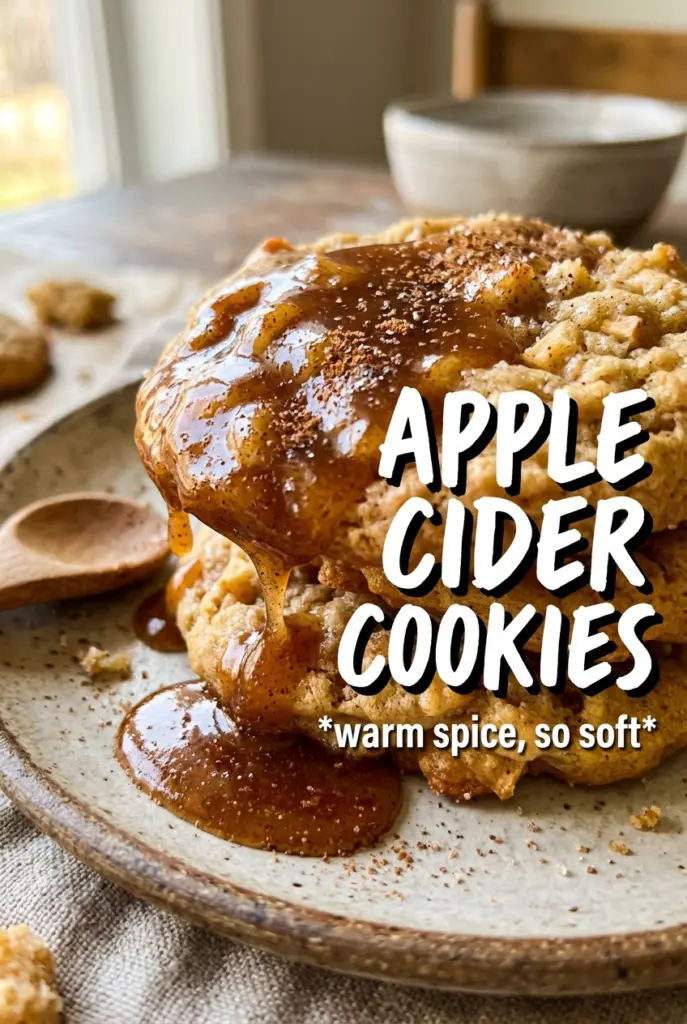
Apple cider cookies land in that sweet spot between soft and chewy, with a crackly cinnamon sugar coat and a warm spiced flavor that tastes like the cider itself, not just the usual cookie spices. The reduced cider gives them a deeper apple note and a little tang that keeps each bite from feeling one-note. They bake up tender in the middle with just enough edge to hold the shape.
The trick is reducing the cider first and cooling it completely before it goes into the dough. That concentrates the apple flavor without adding extra liquid, which keeps the cookies from spreading too much. I also like rolling the dough balls in cinnamon sugar before baking because it gives you that light sparkle on the outside and a little extra spice in every bite.
Below, you’ll find the one step that matters most for getting real apple flavor, plus a few smart swaps and storage notes so you can bake them ahead without losing that soft texture.
The cider reduction made these taste like actual apples instead of just cinnamon cookies, and the centers stayed soft for days.
Save these apple cider cookies for the bake days when you want soft centers, crisp cinnamon sugar edges, and a real apple flavor that comes from the reduction.
The Apple Cider Reduction Is What Keeps These Cookies From Tasting Flat
Most apple cider cookies lean on spices alone and end up tasting more like snickerdoodles with a little extra warmth. The reduction changes that. By simmering the cider down until it turns syrupy, you concentrate the apple flavor and remove the excess water that would otherwise loosen the dough and push the cookies toward cakey.
That step also gives you control over spread. If the cider goes in straight from the jug, the dough needs more flour to hold together, and that extra flour dulls the texture. Once the cider is reduced and fully cool, it blends into the butter and sugar mixture cleanly, so the cookies stay soft but still bake with defined edges.
What Each Ingredient Is Actually Doing In This Dough
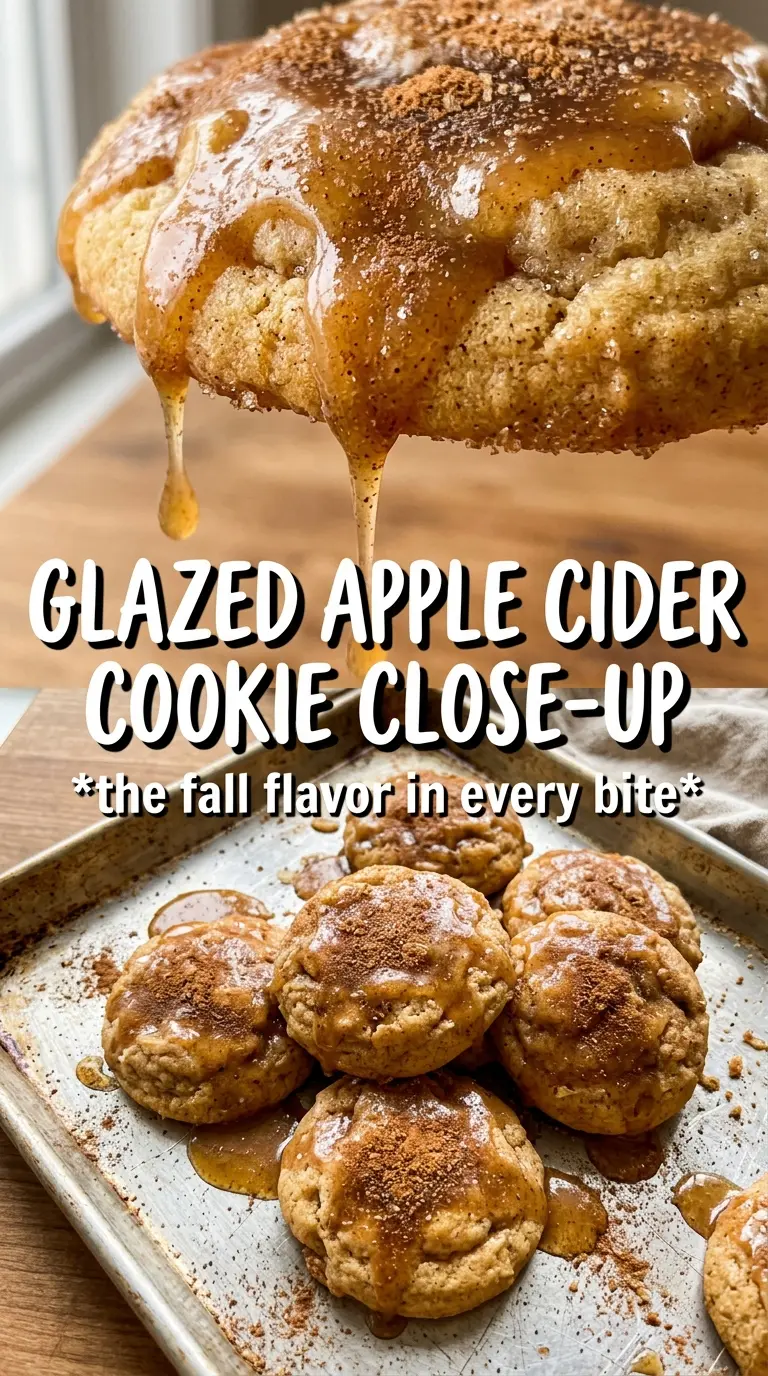
- Apple cider — This is the ingredient that sets the cookies apart. Reducing it first concentrates the apple flavor without watering down the dough, and there isn’t a substitute that gives the same result.
- Brown sugar — It keeps the centers soft and adds a deeper, caramel note that plays well with the cider. If you swap in all granulated sugar, the cookies bake drier and lose some chew.
- Butter — Softened butter creams with the sugars and gives the cookies their tender texture. Cold butter won’t trap enough air, and melted butter makes the dough spread too much.
- Spices — Cinnamon, ginger, nutmeg, and allspice build the warm background flavor. The cinnamon leads, but the others keep the cookies from tasting one-dimensional.
- Cinnamon sugar coating — This adds the light crunch on the outside and reinforces the spice without making the dough itself too heavily seasoned.
Building The Dough Without Losing The Apple Flavor
Reducing And Cooling The Cider
Start with the cider in a small saucepan over medium heat and let it bubble down until it looks thick and syrupy and measures about half of what you started with. You don’t want a hard boil or the cider can scorch before it concentrates. Pour it into a small bowl and let it cool completely before it touches the butter mixture, because warm cider can melt the butter and make the dough greasy.
Creaming The Butter And Sugars
Beat the softened butter with both sugars until it looks pale and fluffy, not grainy and dense. This is where the cookies get their lift, so give it a full minute or two with an electric mixer. Once the egg, vanilla, and cooled cider go in, the mixture may look a little loose; that’s normal. It should still look smooth before the flour is added.
Mixing And Shaping The Dough
Add the dry ingredients and mix just until the last streaks of flour disappear. Overmixing builds gluten and turns these from soft cookies into tougher ones. Scoop into 1 1/2 tablespoon portions, roll each one in cinnamon sugar, and set them on the parchment-lined sheet with room to spread. If the dough feels sticky, chill it briefly, but don’t add extra flour unless it truly won’t hold a scoop.
Baking Until The Edges Set
Bake at 350°F until the edges are set and the centers still look a little soft and puffy. They finish setting on the pan, so pulling them when the tops still look slightly underdone gives you that chewy middle. Let them rest on the baking sheet for five minutes before moving them; if you transfer them too soon, they’ll break while they’re still fragile.
How To Adapt These Cookies Without Losing The Best Part
Dairy-Free Version
Use a good plant-based butter stick, not a soft tub spread. The stick-style versions hold structure better in the oven and give you a texture closer to the original. The cookies will still be soft, but the flavor will be a little less rich.
Gluten-Free Swap
A 1:1 gluten-free baking blend can work here because the dough doesn’t rely on yeast or a delicate rise. The cookies may spread a little less and bake up slightly more delicate, so let them cool on the pan before moving them.
Extra-Spiced Cookies
If you want a bolder spice bite, add another 1/4 teaspoon cinnamon and a pinch more ginger. Don’t push the nutmeg or allspice too far, or they take over the apple note instead of supporting it.
Storage and Reheating
- Refrigerator: Store in an airtight container for up to 5 days. The cinnamon sugar coating softens a bit, but the cookies stay chewy.
- Freezer: Freeze the baked cookies for up to 2 months, or freeze the portioned dough balls and roll them in cinnamon sugar right before baking.
- Reheating: Warm a cookie for 8 to 10 seconds in the microwave if you want the centers softer. Don’t overheat them or the sugars will harden once they cool.
Answers to the Questions Worth Asking
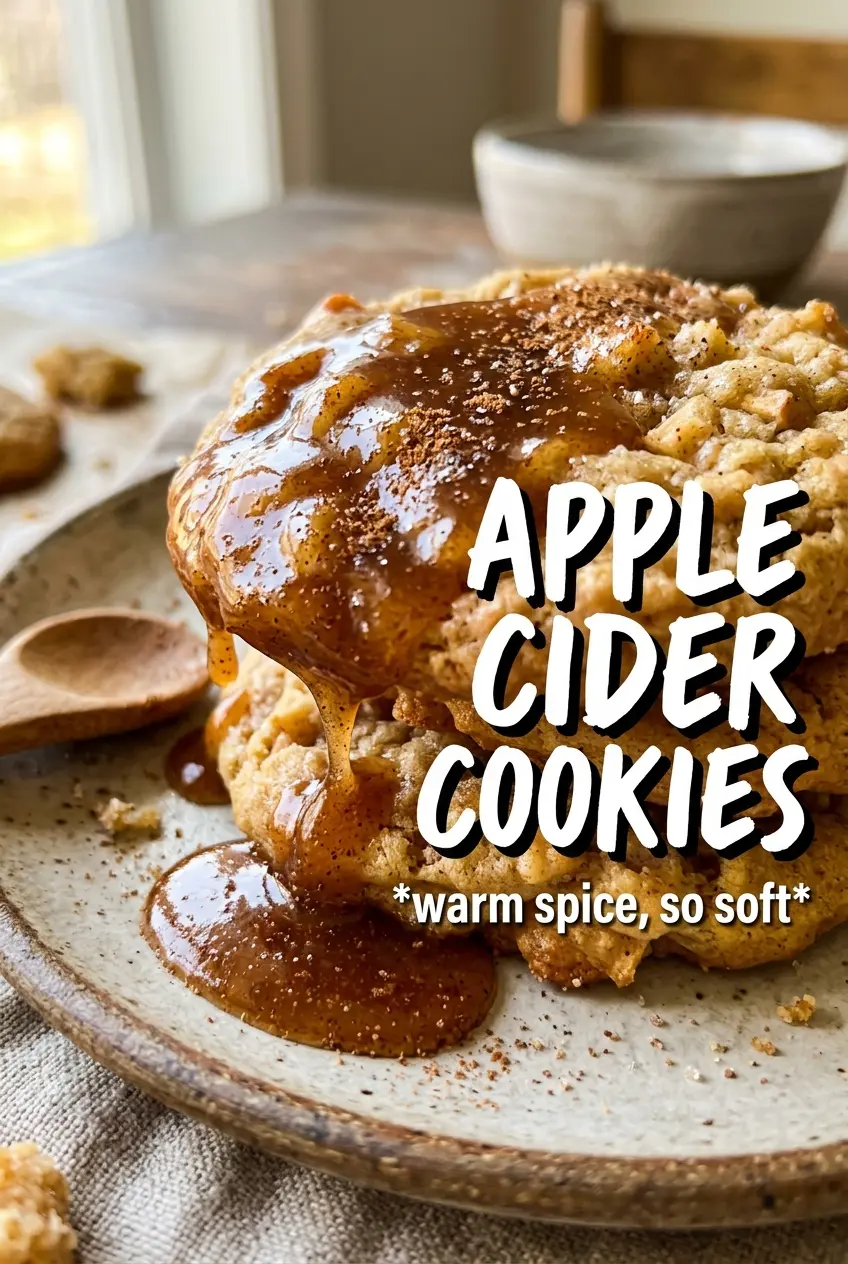
Apple Cider Cookies
Ingredients
Equipment
Method
- Reduce apple cider in a small saucepan over medium heat until thick and syrupy, then cool completely.
- Preheat oven to 350F and line baking sheets with parchment (visual cue: parchment should lie flat).
- Whisk flour, baking soda, cinnamon, ginger, nutmeg, allspice, and salt until evenly combined.
- Beat butter and both sugars until light and fluffy, then add egg, vanilla, and reduced cider.
- Fold in flour mixture until no dry streaks remain.
- Scoop into 1-1/2 tablespoon balls, roll in cinnamon sugar, and place on the baking sheet with space between cookies.
- Bake at 350F for 10-12 minutes until edges are set (visual cue: centers look slightly soft).
- Cool on pan 5 minutes before transferring, so cookies finish setting without breaking.