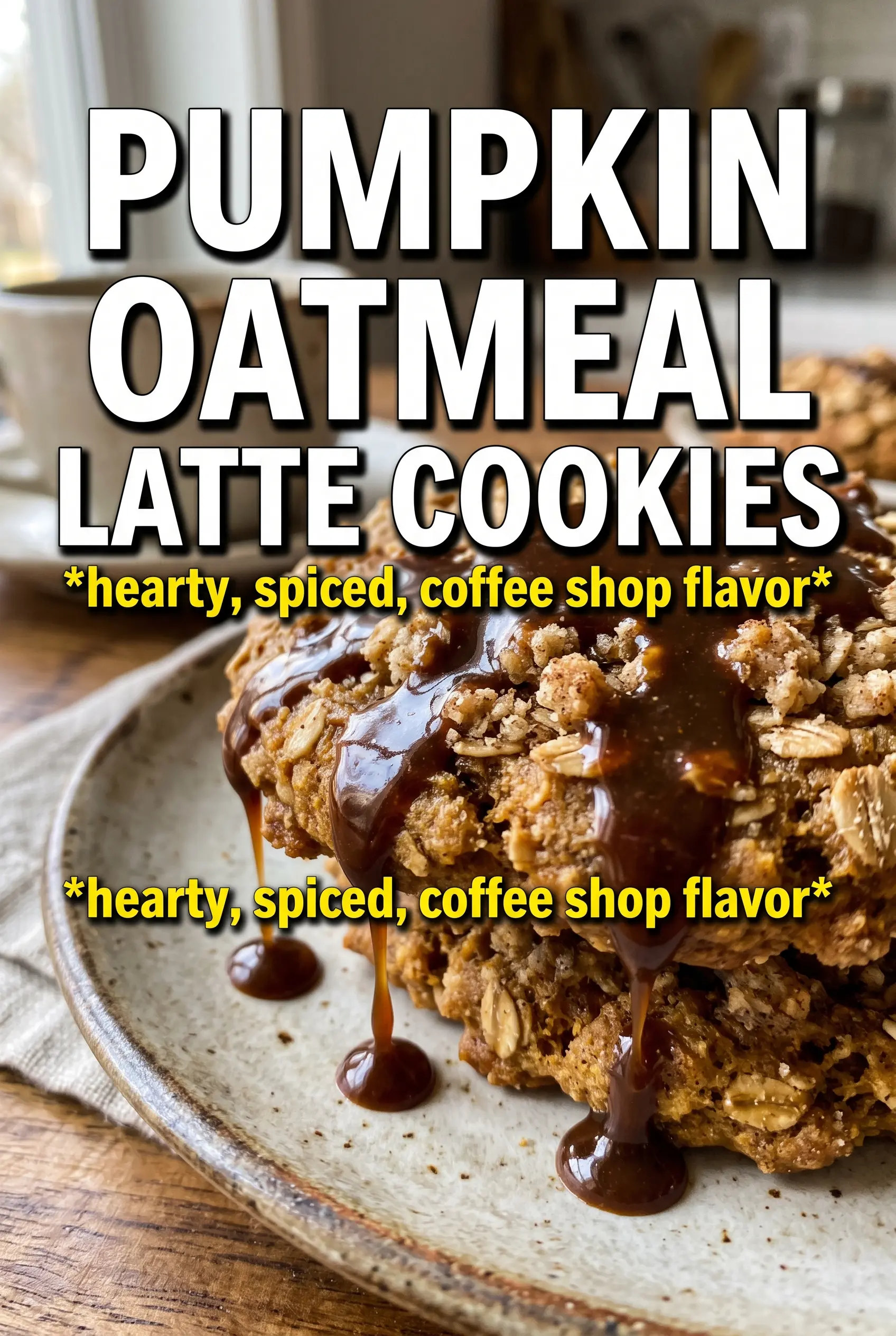
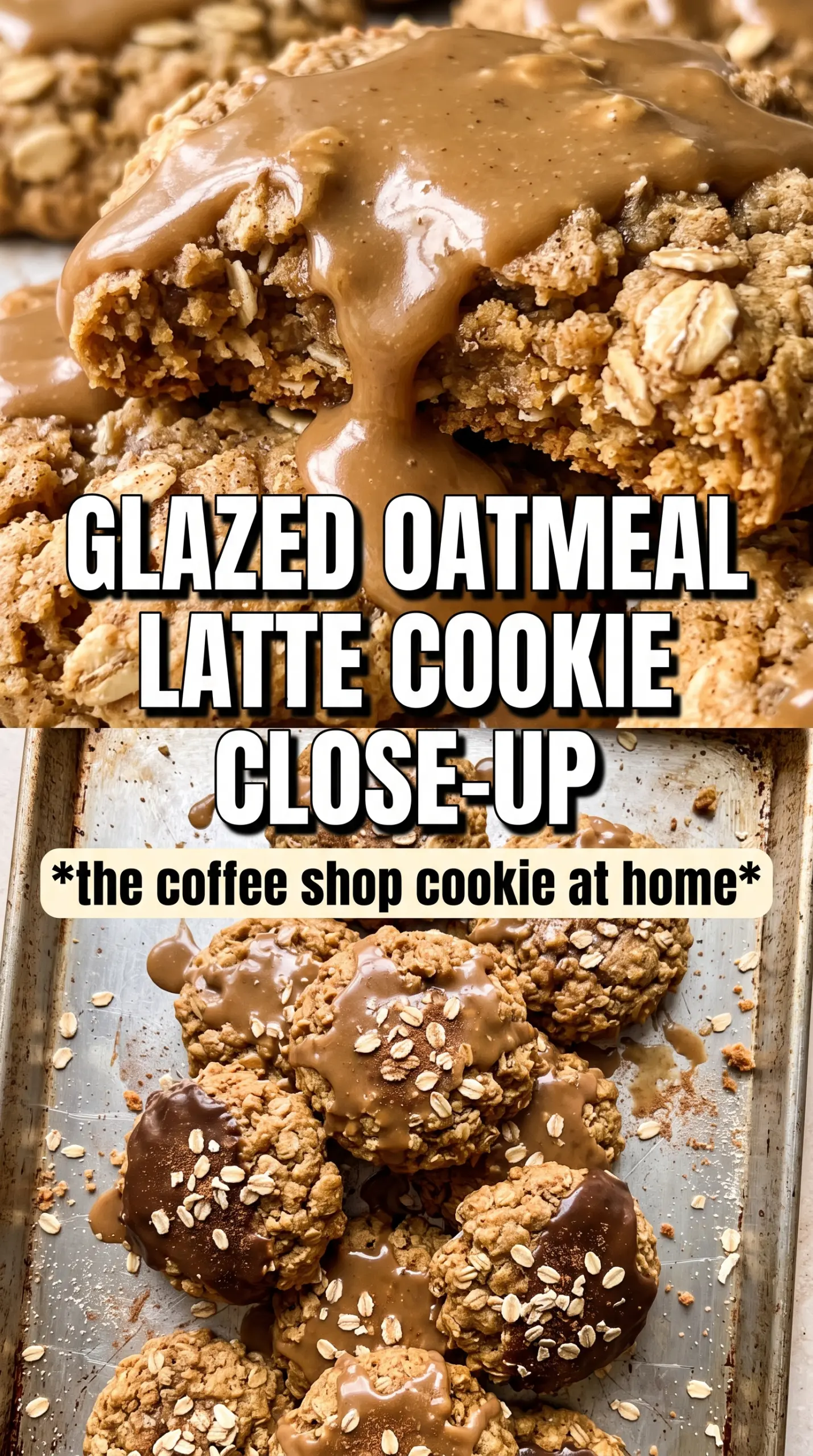
Brown butter pumpkin oatmeal latte cookies bake up thick in the center, crisp at the edges, and packed with that cozy mix of toasted butter, pumpkin spice, and espresso. The oats give them real chew, the toffee bits melt into little pockets of caramel, and the flaky salt on top keeps every bite from leaning too sweet. They taste like a coffee shop cookie with a homemade edge.
The trick is building flavor in layers. Brown butter gives you that nutty depth first, then the pumpkin has to be blotted dry so it doesn’t turn the dough cakey, and the espresso powder pulls the chocolate-less latte note into the background without making the cookies taste like straight coffee. The dough also rests just enough to let the butter firm back up, which helps the cookies spread in a controlled way instead of melting flat.
Below, I’m walking through the part that matters most: how to get the brown butter back to a usable texture, why the pumpkin needs extra attention, and what to watch for in the final bake so you get chewy cookies with golden edges instead of soft little pucks.
The brown butter flavor came through beautifully, and the cookies stayed chewy for days. I was worried about the pumpkin making them too cakey, but blotting it first kept the texture just right.
Love the chewy oats, brown butter depth, and espresso warmth in these pumpkin cookies? Save them to Pinterest for the next time you want a bakery-style cookie with a cozy latte twist.
The Brown Butter and Pumpkin Balance Most Cookies Get Wrong
Most pumpkin cookies go soft in a way that feels more muffin than cookie. The problem is usually too much moisture from the pumpkin and not enough structure to hold the shape. Browning the butter fixes part of that by adding flavor without extra water, and blotting the pumpkin keeps the dough from turning slack before it even hits the oven.
The other thing that matters here is the bake time. These cookies should come out when the edges are set and the centers still look a little underdone. If you wait for the tops to look fully dry in the oven, they’ll finish as dry cookies on the cooling rack. A short rest on the pan gives them time to firm up without losing the chewy middle.
- Brown butter — This is the backbone of the recipe. It brings nutty, toasted notes that plain melted butter can’t give you. Let it fully solidify again before creaming it with the sugars, or the dough will spread too fast.
- Blotted pumpkin puree — Pumpkin adds moisture and flavor, but it needs to be dried first. A paper towel press or a few layers of cheesecloth can pull out enough liquid to keep the cookies chewy instead of cakey.
- Espresso powder — This doesn’t make the cookies taste like coffee. It deepens the brown butter and spice flavors the way salt sharpens caramel. Instant espresso powder works better than brewed coffee because it adds flavor without extra liquid.
What Each Ingredient Is Actually Doing in the Dough
- All-purpose flour — Just enough to hold the oats and pumpkin in place without making the cookies heavy. A higher-protein flour would make them firmer and less tender.
- Baking soda — This gives lift and helps the cookies brown. Don’t swap in baking powder here; you’ll lose the spread and the edges won’t caramelize the same way.
- Pumpkin pie spice and cinnamon — The pumpkin pie spice gives the warm background, while the extra cinnamon keeps the flavor from getting flat. If your blend is old and faded, the cookies will taste dull no matter how good the butter is.
- Old-fashioned rolled oats — These are what give the cookies their chew. Quick oats will work in a pinch, but the texture will be tighter and less hearty.
- Toffee bits — They melt into little caramel pockets and add crunch at the edges. If you skip them, the cookies are still good, but they lose some of that latte-cookie character.
Building the Dough So It Bakes Thick Instead of Flat
Brown the butter, then let it come back to room temperature
Cook the butter over medium heat until the milk solids turn deep golden and smell nutty, not burnt. Scrape everything into a bowl, then chill it until solid again, about an hour. If you try to cream warm brown butter with the sugars, the dough will be greasy and the cookies will spread too much.
Keep the pumpkin dry before it goes in
Press the pumpkin puree between layers of paper towel until it no longer feels wet on the surface. You don’t need it bone-dry, but it should lose that loose, spoonable moisture that makes cookie dough slump. This is the difference between a chewy cookie and one that bakes up soft but fragile.
Stop mixing as soon as the oats disappear
Once the flour mixture is in, fold gently and add the oats and toffee bits at the end. Overmixing after the flour goes in can make the cookies tough, and overworking the oats can break them apart so the texture feels muddy instead of distinct. Scoop the dough right away if it feels soft; chilling it longer is fine, but these cookies don’t need to sit overnight.
Pull them from the oven before they look finished
Bake until the edges are golden and the centers still look a little soft and puffy. They should not be dark all over. A five-minute rest on the baking sheet finishes the set without drying them out, and the flaky salt goes on while the tops are still warm enough to catch it.
Three Ways to Adjust These Cookies Without Losing the Point
Make them dairy-free
Use a dairy-free butter that browns well, or use a high-quality vegan butter that solidifies after chilling. The flavor won’t be quite as deep as real browned dairy butter, but you’ll still get a rich, toasty cookie with the same structure.
Make them gluten-free
Swap in a 1:1 gluten-free baking blend and use certified gluten-free oats. The cookies will still be chewy, but they may spread a touch more, so chill the dough longer before baking if it feels loose.
Swap the toffee for chocolate chips
Chocolate chips push these closer to a pumpkin mocha cookie, which is a nice turn if you want less caramel sweetness. Use the same amount, but know the final cookie will taste a little more mellow and less crisp at the edges.
Storage and Reheating
- Refrigerator: Store in an airtight container for up to 5 days. The oats keep them pleasantly chewy, though the tops will soften a bit after the first day.
- Freezer: These freeze well. Freeze baked cookies in a single layer, then move them to a bag or container for up to 2 months, or freeze scooped dough balls and bake from frozen with 1 to 2 extra minutes.
- Reheating: Warm a cookie in the microwave for 8 to 10 seconds or in a 300F oven for a few minutes. Don’t overheat them or the toffee will turn sticky and the centers will dry out before the edges soften again.