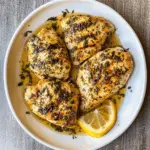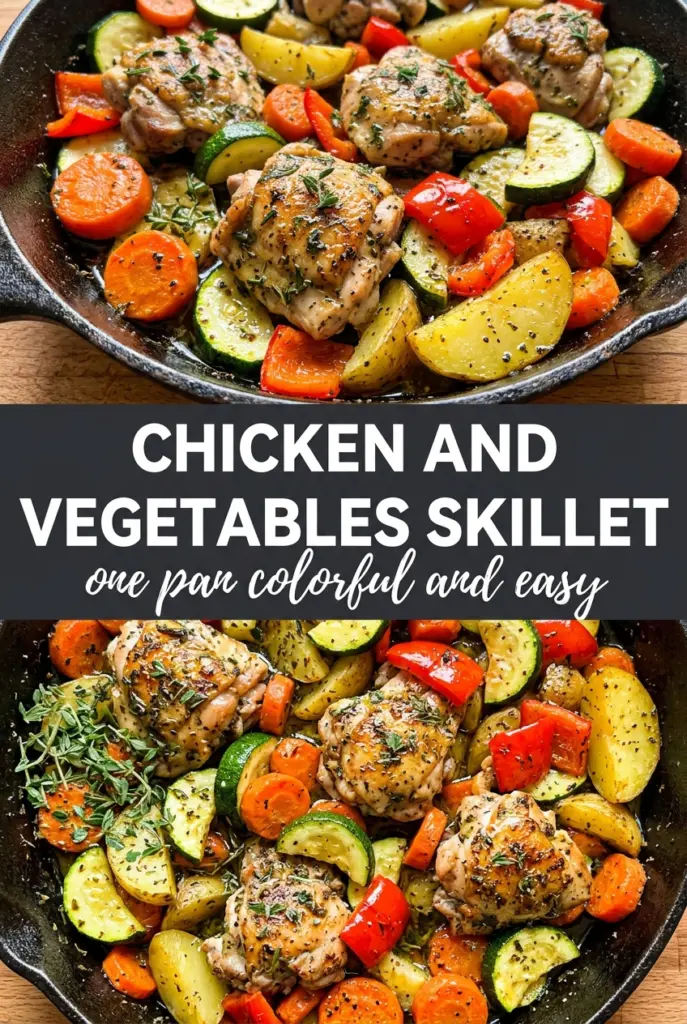
Golden chicken strips, blistered peppers, and zucchini with browned edges turn this skillet dinner into the kind of meal that disappears fast. The vegetables stay bright and a little crisp instead of collapsing into a soft tangle, and the chicken gets that deep sear you only get from a hot pan and enough space for the pieces to actually brown.
What makes this version work is the order. The chicken cooks first and comes out before the vegetables go in, which keeps everything from steaming. A splash of broth loosens the browned bits from the pan, then butter finishes the sauce just enough to coat every piece without making the skillet heavy. The lemon at the end matters too; it sharpens the whole dish and keeps the sweetness of the peppers from taking over.
Below, I’ll show you how to keep the vegetables charred at the edges, not soggy in the middle, plus the small timing detail that keeps the chicken juicy while everything finishes together.
The chicken stayed juicy and the vegetables got those caramelized edges without turning mushy. I loved that the pan sauce came together in minutes and soaked into everything.
Save this chicken and vegetables skillet for a fast one-pan dinner with golden chicken, charred vegetables, and a light garlic herb finish.
The Reason the Chicken Sear Comes Before the Vegetables
Chicken and vegetables don’t cook at the same pace, and that’s where a lot of skillet dinners go wrong. If everything goes in together, the chicken leaks juices while the vegetables are still softening, and the whole pan turns steamy instead of browned. Searing the chicken first gives you a strong base of flavor and keeps the vegetables from sitting in all that moisture.
The other detail that matters is the pan itself. A cast iron skillet or another heavy pan holds heat better, which means the chicken gets color fast instead of slowly drying out. Once the vegetables go in, they need enough heat to blister at the edges before the garlic and broth join in. That short high-heat stretch is what gives this dish its shape.
- The chicken should be in a single layer so it can brown instead of steam.
- The vegetables need room and heat; crowding the pan softens them.
- Garlic goes in late because it burns quickly once the pan is already hot.
- The broth lifts the browned bits without turning the skillet into a sauce-heavy dish.
What Each Ingredient Is Actually Doing in This Dish
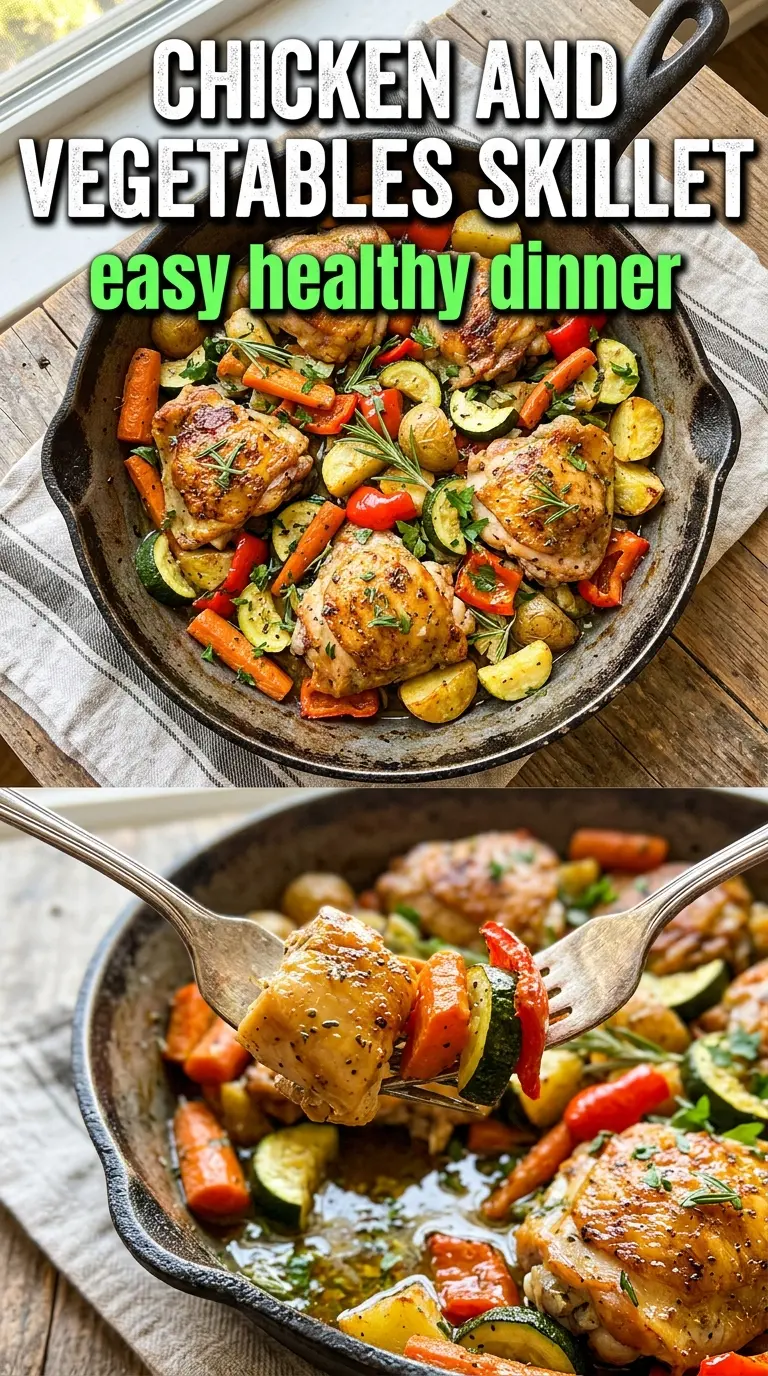
- Chicken breasts — Cutting them into strips helps them cook fast and stay tender. If you use chicken thighs, they’ll give you a richer, juicier result and tolerate a little extra time in the pan.
- Bell peppers, zucchini, and red onion — This mix brings sweetness, moisture, and structure. The peppers soften and char, the zucchini turns silky at the edges, and the onion adds the caramelized notes that make the skillet taste finished.
- Smoked paprika and Italian seasoning — These do most of the seasoning work before the sauce ever starts. Paprika adds warmth and color; Italian seasoning gives the dish its herb backbone without needing a long ingredient list.
- Chicken broth and butter — The broth deglazes the pan, and the butter rounds everything out just enough to coat the chicken and vegetables. If you skip the butter, the dish will taste leaner and a little sharper, which is fine if that’s what you want.
- Lemon and parsley — Don’t treat these as garnish-only ingredients. The lemon wakes up the whole skillet right at the end, and the parsley keeps the finished dish tasting fresh instead of heavy.
How to Keep the Vegetables Charred and the Chicken Juicy
Season the chicken before it ever hits the pan
Toss the chicken strips with the seasoning until every piece looks evenly coated. That layer of spice helps the chicken color faster and keeps the flavor from sitting only on the surface of the sauce. If the chicken looks wet, pat it dry first; excess moisture is what steals the sear.
Let the skillet do its job
Heat the oil until it shimmers, then add the chicken without moving it right away. The pieces should release on their own after a few minutes and show a deep golden crust on the first side. If they stick hard, they’re not ready yet. Pull them only when they’ve cooked through to 165°F, then move them out so they don’t overcook while the vegetables finish.
Cook the vegetables hard and fast
The peppers, zucchini, and onion need high heat and a pan that isn’t overcrowded. Stir just enough to keep them from burning, but leave them alone long enough for the edges to take on color. If the pan looks crowded, the vegetables will steam and go soft before they char. That’s the point where people think the recipe failed, but it’s usually just too much food in too little space.
Finish with broth, butter, and the chicken
Once the garlic smells fragrant, pour in the broth and scrape the pan clean. Add the chicken back in, then stir in the butter until the juices look glossy and cling to the vegetables. The skillet should look light and saucy, not soupy. Finish with parsley and lemon wedges right before serving so the herbs stay fresh and the acid stays bright.
Three Practical Ways to Adapt This Skillet
Use chicken thighs for a richer skillet
Boneless skinless thighs work well here and stay juicy even if they sit in the pan a minute longer. They bring a deeper flavor and a softer bite, though you’ll lose a little of the lean, clean finish that chicken breasts give.
Make it dairy-free
Skip the butter and finish with a touch more olive oil or an extra splash of broth. The sauce will be a little lighter and less silky, but the garlic, herbs, and browned chicken still carry the dish.
Swap the vegetables based on what’s in the crisper
Broccoli florets, mushrooms, or snap peas can stand in for part of the vegetable mix. Just keep an eye on moisture: mushrooms need enough heat to brown, and broccoli takes a little longer than zucchini to become tender.
Make it low-carb without changing the method
This skillet already fits a low-carb pattern as written, so the main job is keeping the sauce simple and the vegetables front and center. Serve it as is or over cauliflower rice if you want something to catch the pan juices.
Storage and Reheating
- Refrigerator: Store in an airtight container for up to 4 days. The vegetables soften a little, but the flavor holds well.
- Freezer: It freezes, but the zucchini changes texture after thawing. If you plan to freeze it, use a little less zucchini or freeze only the chicken and peppers.
- Reheating: Warm it in a skillet over medium heat with a splash of broth to loosen the pan juices. Microwaving works in a pinch, but it can make the vegetables waterlog and the chicken tougher.
Answers to the Questions Worth Asking
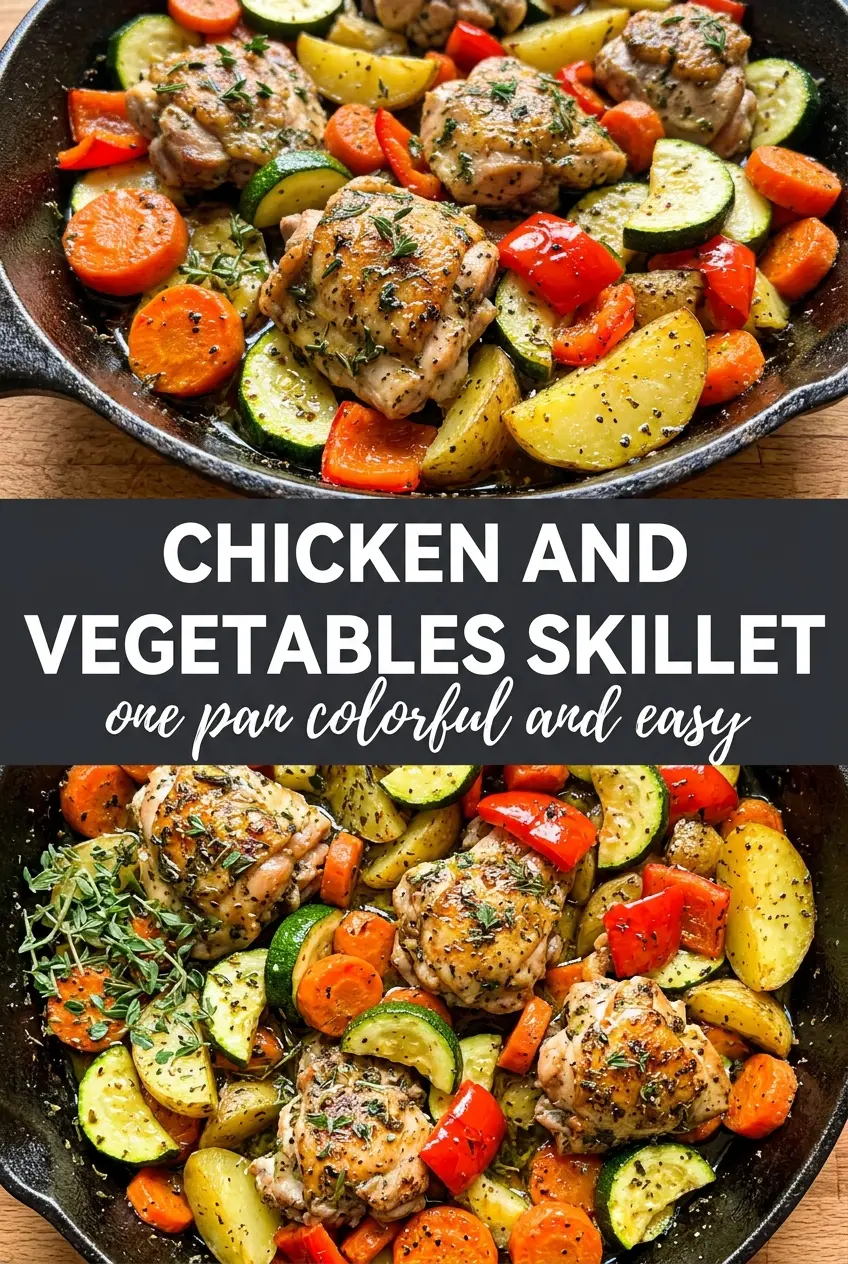
Chicken and Vegetables Skillet
Ingredients
Equipment
Method
- Season the chicken strips with Italian seasoning, smoked paprika, salt, and pepper.
- Heat the olive oil in a large cast iron skillet over high heat and sear the chicken for 4-5 minutes, until golden and cooked through to 165°F; remove when you see deep browning on the edges.
- Add the bell peppers, zucchini, and red onion to the same pan and cook over high heat for 5-6 minutes, stirring occasionally, until blistered and slightly charred at the edges.
- Add the minced garlic and cook for 1 minute, stirring until fragrant and glossy.
- Pour in the chicken broth and deglaze, scraping up the browned bits from the pan so the sauce turns lightly brown and shiny.
- Return the chicken to the pan and simmer just until everything is combined, tossing for even coating.
- Add the butter and toss again until melted into a light herb garlic sauce that clings to the chicken and vegetables.
- Garnish with fresh parsley and serve with lemon wedges, brightening the skillet right before eating.