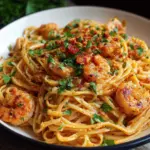
Golden chicken breasts tucked into a tangy cream cheese sauce hit that sweet spot between comforting and practical. The sauce clings to every bite instead of running off the plate, and the lemon juice keeps the richness from turning heavy. It tastes like a full dinner with almost no fuss, which is exactly why it earns repeat status.
The part that makes this version work is the order of operations. Searing the chicken first builds flavor in the pan, and the broth loosens those browned bits into the base of the sauce. Cream cheese melts smoothly when it goes in cubed and softened, and the sour cream goes in only after the heat is lowered so the sauce stays silky instead of grainy.
Below you’ll find the cue that keeps the chicken juicy, the reason the sauce stays velvety, and a few useful ways to adapt it if you need a lighter or lower-carb dinner.
The sauce turned out smooth and thick, and the lemon kept it from tasting too rich. I’ve made a lot of chicken skillet recipes, but this is the first one where the sauce actually coated the chicken instead of pooling at the bottom of the pan.
Save this creamy chicken skillet for nights when you want a tangy cream cheese sauce that coats every bite.
The Reason the Sauce Stays Creamy Instead of Breaking
The biggest mistake in a cream cheese chicken skillet is pushing the heat too hard once the dairy goes in. Cream cheese can handle some heat, but sour cream gets ugly fast if the pan is bubbling hard. That’s why the broth and garlic build the base first, then the cream cheese melts in over medium-low heat, and the sour cream comes in only after the pan calms down.
The other detail that matters is the chicken sear. You want a deep golden surface, not pale steamed chicken. Those browned bits in the pan are what make the sauce taste cooked instead of one-note, and the broth lifts all of that flavor into the skillet before the dairy goes in.
- Chicken breasts — Boneless, skinless breasts work best here because they sear fast and stay easy to slice and spoon sauce over. If yours are thick in the middle, pound them to an even thickness so the outside doesn’t overcook before the center reaches 165°F.
- Cream cheese — Use full-fat cream cheese if you can. It melts into a thicker, smoother sauce than reduced-fat versions, which can turn loose or slightly grainy. Cubing it first helps it melt evenly without leaving stubborn lumps.
- Sour cream — This is what gives the sauce its tang and keeps the richness from tasting flat. Greek yogurt can work in a pinch, but use it off the heat and expect a slightly sharper flavor.
- Chicken broth — This thins the sauce at first, then concentrates as it simmers with the dairy. Low-sodium broth is the safest choice because the cheese and seasoning add plenty of salt on their own.
- Lemon juice and zest — The juice brightens the sauce, and the zest gives it a fresher finish right at the end. Don’t skip the zest if you want the sauce to taste balanced rather than heavy.
What Each Ingredient Is Actually Doing in This Chicken

- Chicken (the protein star) — Pat dry so it browns instead of steams. Room temperature cooks more evenly.
- Oil or butter (the browning medium) — High-heat oil is essential. Creates flavor through browning.
- Seasonings (salt, pepper, spices, herbs) — Don’t hold back. Chicken carries the entire flavor profile.
- Aromatics (garlic, ginger, onion) — Cook with fat to bloom flavors. They become the foundation.
- Sauce or liquid (the moisture keeper) — This prevents dryness and adds flavor. Balance richness with acid.
- Acid (lemon, vinegar, wine, or tomato) — This brightens and prevents one-dimensional flavor.
- Optional vegetables — Layer by cooking time so everything finishes together.
- Proper doneness (165°F internal temperature) — Use a thermometer for accuracy. Overcooked is dry.
The 25 Minutes That Matter Most in the Skillet
Seasoning and Searing the Chicken
Season the chicken well before it hits the pan, then cook it in hot olive oil until each side is deeply golden. You’re not looking for a pale, boiled surface; you want color, because that’s where the flavor starts. If the chicken sticks hard when you try to turn it, give it another minute. It will release once the crust sets.
Pulling Flavor from the Pan
Once the chicken comes out, add the garlic to the same pan for just 30 seconds. It should smell fragrant, not browned. Pour in the broth and scrape the bottom with a wooden spoon to lift the browned bits, because that’s what keeps the sauce from tasting flat. If the pan is too dry at this point, the garlic can scorch, so the broth goes in right after it softens.
Melting the Cream Cheese Smoothly
Add the cream cheese cubes and stir over medium-low heat until the sauce looks smooth and glossy. Keep the heat gentle. High heat is the fastest way to get a sauce that looks broken or speckled instead of velvety. If you still see little lumps, give it another minute off the hottest part of the burner and keep stirring until they melt out.
Finishing Without Curdling
Stir in the sour cream, lemon juice, and Italian seasoning after the sauce is smooth, then return the chicken to the pan. The sauce should be thick enough to coat the spoon and cling to the chicken in a slow ribbon. Don’t let it boil after the sour cream goes in. That’s the point where dairy sauces usually split, and a low simmer keeps everything creamy.
Three Ways to Make This Cream Cheese Chicken Fit Your Table
Dairy-Free Version with a Different Finish
Use a dairy-free cream cheese and swap the sour cream for an unsweetened dairy-free yogurt. The sauce won’t be quite as rich or thick, but it will still hold together well if you keep the heat low and stir patiently. Taste it at the end and add a little extra lemon juice if it needs more brightness.
Low-Carb Serving Ideas
This already fits a low-carb dinner nicely, so the main change is what you serve with it. Spoon it over cauliflower mash, sautéed zucchini, or steamed green beans so the sauce has something to cling to. The cream sauce is rich enough that you don’t need pasta or rice to make it feel complete.
Chicken Thigh Swap for Extra Juiciness
Boneless, skinless thighs work well if you want a richer, more forgiving cut. They take a few extra minutes to cook through, but they stay tender and pair well with the tangy sauce. Sear them the same way and cook until the juices run clear and the center reaches temperature.
Make It Stretch for More People
Add a splash more broth and an extra ounce or two of cream cheese if you want enough sauce to serve over rice or noodles for six people. The extra liquid keeps the skillet from getting too thick as it sits, and the additional cream cheese helps the sauce keep its body. Keep the seasoning balanced by tasting after the final stir.
Storage and Reheating
- Refrigerator: Store leftovers in an airtight container for up to 3 days. The sauce will thicken as it chills.
- Freezer: It can be frozen, but the sauce may separate slightly when thawed because of the dairy. If you freeze it, cool it completely first and reheat gently with a splash of broth.
- Reheating: Warm it slowly in a covered skillet over low heat or in short microwave bursts, stirring between each one. High heat is the mistake that turns the sauce grainy and makes the chicken tough.
Questions I Get Asked About This Recipe

Easy Cream Cheese Chicken
Ingredients
Equipment
Method
- Season the chicken breasts with salt, pepper, garlic powder, and onion powder to taste. Heat olive oil in a large skillet over medium-high heat until shimmering, then sear chicken for 5-6 minutes per side until golden and the internal temperature reaches 165°F; remove to a plate.
- Cook the minced garlic in the same pan for 30 seconds over medium heat until fragrant, using the pan drippings. Pour in the chicken broth and scrape up the browned bits from the bottom of the skillet.
- Add the cream cheese cubes to the broth and stir over medium-low heat until fully melted and smooth, keeping the sauce at a gentle simmer. Turn the heat down if needed so the sauce stays silky rather than bubbling hard.
- Stir in the sour cream, lemon juice, and Italian seasoning until the sauce is creamy and well combined. Do not boil after adding sour cream; keep it just warm and gently steamy.
- Return the chicken to the pan and spoon the sauce over each breast until coated. Let it sit in the sauce for 1-2 minutes to warm through.
- Garnish with fresh chives and lemon zest. Serve while the sauce is thick and coats the chicken.